Introduction to Waterfowl Hunting Challenges
Waterfowl hunting can be both thrilling and frustrating. Hunters must face unpredictable bird behavior, changing weather, and the sharp eyes of ducks and geese. One of the biggest challenges is creating a realistic scene that convinces birds to come within shooting range. Without lifelike motion, even the most beautiful decoy spread can fall flat.
Waterfowl are intelligent and alert. They constantly scan for signs of danger, and one of the biggest red flags is stillness. When birds see a group of decoys sitting motionless on the water, especially on calm days, they get suspicious—and that suspicion often turns into a fly-by. This is where the jerk rig system becomes a secret weapon.
What Is a Jerk Rig System?
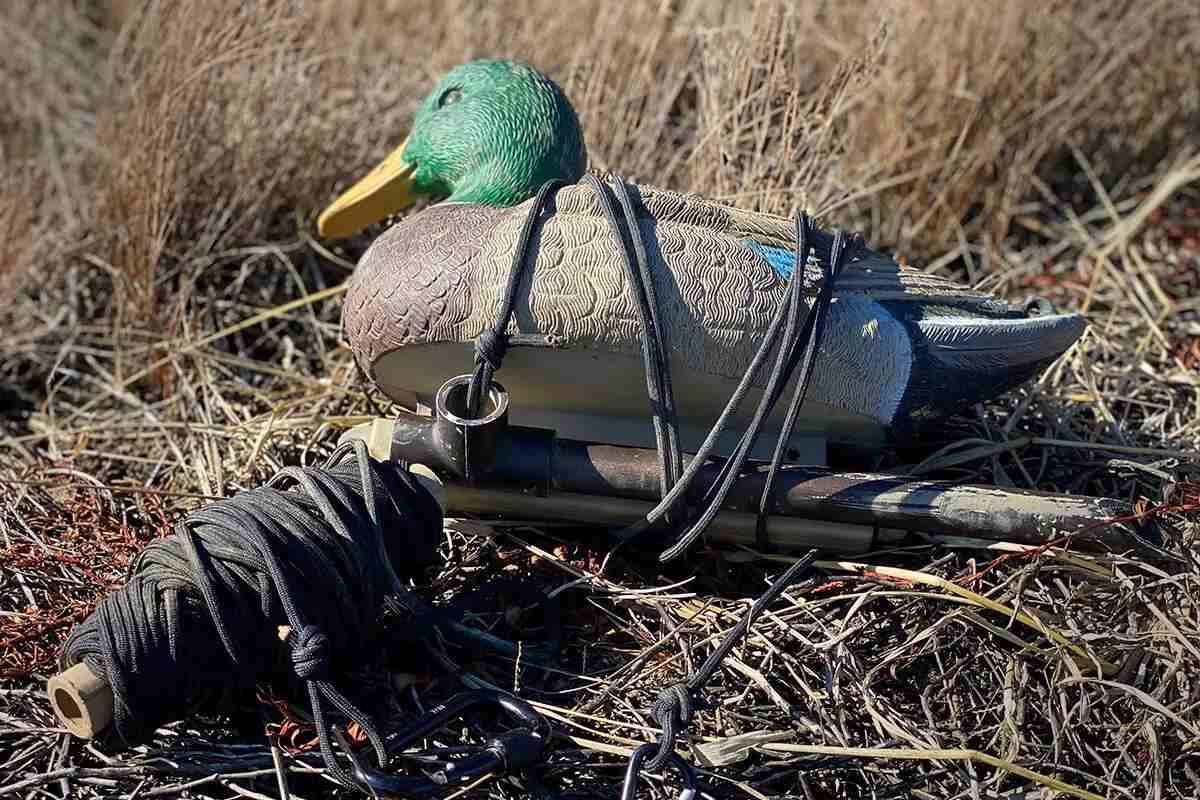
A jerk rig system is a simple, manual device that adds motion to your decoy spread. It typically consists of a long line, some decoys attached to clips, and a bungee cord or anchor weight at the end. You, the hunter, hold one end and gently tug on it from your blind. That action causes the decoys to bob, ripple, and mimic natural movement—something that’s incredibly effective in fooling real birds.
Here’s what a basic jerk rig system includes:
- Anchor weight or stake
- Elastic bungee section
- Decoy line (durable cord)
- Snap clips or decoy attachments
- Handle or loop for pulling
This basic setup provides realistic water motion without relying on batteries or motors.
History and Evolution of the Jerk Rig
The jerk rig system has humble roots. Long before battery-powered spinners or remote-controlled decoys, hunters used strings and pulleys to animate their spreads. These early jerk rigs relied on simple tools—fishing line, wooden stakes, and basic ingenuity.
Over time, improvements in materials and design have made jerk rigs more effective and easier to use. Today’s systems, like those from Dive Bomb Industries, offer pre-rigged lines, high-quality swivels, and tangle-resistant cords, combining old-school effectiveness with modern convenience.
Why Motion Matters in Decoy Spreads
Ducks rely heavily on their vision to identify threats and opportunities. Their eyes are incredibly sharp—able to detect subtle movement from a long distance. A spread that lacks motion often signals danger, especially on calm, glassy water.
Here’s why motion is key:
- Adds realism to your spread
- Catches the attention of distant flocks
- Encourages circling birds to commit
- Breaks up the stillness of glassy water
In contrast, a stationary spread—even with perfectly painted decoys—can be a dead giveaway.
Advantages of Using a Jerk Rig System
While there are many tools to add movement to decoy spreads, jerk rigs offer several unique benefits:
- Cost-Effective: Far cheaper than electronic decoys
- Silent and Stealthy: No motors, no humming sounds
- Portable: Packs light for walk-in hunts
- Reliable: Works in cold, wet conditions without batteries
- Legal: Allowed in areas where motorized decoys are banned
These advantages make jerk rigs ideal for public land hunters, remote locations, and early mornings when birds are wary.
How the Jerk Rig System Enhances Realism
A well-placed jerk rig creates a ripple effect on the water, simulating natural duck behavior. Whether it’s feeding motion, light swimming, or repositioning, the subtle movement draws attention and breaks up unnatural stillness. This realism can be the difference between pass-bys and committed landings.
Hunters often report that using a jerk rig not only increases the number of birds that come in but also improves the overall behavior of the flock—more circling, less hesitation, and more landing in the kill zone.
Key Features of the Dive Bomb Industries Jerk Rig System
The https://www.divebombindustries.com/products/jerk-rig-system is a standout in a sea of waterfowl gear, engineered for hunters who value performance and simplicity. Let’s take a closer look at what makes this jerk rig a top-tier option:
- Heavy-Duty Bungee Cord: Adds lifelike water disturbance with minimal effort.
- 75 Feet of Tangle-Resistant Mainline: Offers ample reach to spread out decoys and keep motion subtle yet realistic.
- Snap Clips for Easy Attachment: Quickly hook up to your favorite floaters without hassle.
- Foldable Handle Grip: Designed for long hunts and easy operation from your blind.
- Anchor Bag Included: Fill it with rocks or sand to keep everything in place even in light current.
Customer Testimonials:
Hunters consistently praise the Dive Bomb Jerk Rig for its durability and effectiveness. One reviewer mentioned, “This rig made the difference on a windless morning. Ducks flared off other spreads but locked up over ours—motion made it happen!”
Step-by-Step: Setting Up Your Jerk Rig System
Setting up the Dive Bomb Jerk Rig System is quick and easy with the right approach. Here’s a handy step-by-step guide:
What You’ll Need:
- Dive Bomb Jerk Rig Kit
- 4–6 floating decoys
- Waders or shallow water access
- Weight or filled anchor bag
Installation Steps:
- Anchor the End: Place the anchor bag or weight at your desired spot (20–30 yards from your blind).
- Unroll the Mainline: Extend the mainline back toward your blind or hide.
- Attach Decoys: Clip 4–6 decoys at intervals of 3–4 feet along the line.
- Secure the Handle: Position the handle securely in your blind.
- Pull and Release: A simple tug creates ripples that imitate live duck movement.
Best Practices:
- Avoid overly aggressive pulling; subtle motion is more realistic.
- Position the rig in open water, not near heavy vegetation.
- Use with other decoys to create depth and realism in your spread.
Best Times and Conditions to Use a Jerk Rig
Although jerk rigs can be used any time, they truly shine in specific conditions:
| Condition | Why It Works |
| Calm, Windless Mornings | Adds essential motion when nature won’t |
| Overcast Days | Helps create movement when light is low |
| Late Season Hunts | Educated birds require more realism |
| High-Pressure Areas | Helps your spread stand out among others |
A jerk rig adds contrast and appeal, especially when competing against other hunters in crowded areas.
Common Mistakes to Avoid When Using a Jerk Rig
Even though jerk rigs are simple, a few missteps can reduce their effectiveness. Watch out for these common issues:
- Too Much Movement: Ducks don’t swim in fast circles—keep it natural.
- Poor Placement: Don’t place the rig behind the blind; birds must see the motion clearly.
- Not Matching Spread Size: One rig for 20 decoys won’t create enough ripple—use 4–6 per line.
- Wrong Depth: If the decoys tip or don’t sit correctly, you may be in too-shallow water.
Pairing the Jerk Rig with Other Decoy Systems
Want to make your spread even more dynamic? Consider pairing your jerk rig with:
- Spinner Wings: Use one motion decoy to mimic wing flash and the jerk rig to simulate water motion.
- Pulsators or Bubblers: Combine surface movement with underwater ripples.
- Layout Blinds or Skiffs: Set up so you can pull the cord without alerting birds.
Strategic combination of these tools mimics a relaxed, feeding flock that ducks can’t resist.
Travel and Storage Tips
One reason jerk rigs are favored by public land hunters and DIYers is how travel-friendly they are. Follow these tips:
- Wrap Line Around a Cord Reel or Handle: Prevents tangles and saves time in the dark.
- Use a Small Dry Bag: Store the rig and anchor together.
- Rinse After Saltwater Use: Protect metal components from corrosion.
- Hang to Dry: Prevent mildew during off-season storage.
A little care goes a long way in keeping your rig ready for the next flight.
Tips from the Pros: Making the Most of Your Jerk Rig
We asked seasoned waterfowlers to share how they maximize their jerk rig effectiveness:
- “Use two rigs on calm days—one on each side of your blind to create more natural motion.”
- “Place your most realistic decoys on the jerk line; movement draws attention to them.”
- “If hunting with a partner, have one person dedicated to working the rig while calling.”
- “Try adjusting the pull rate based on how birds react—fast pull for attention, slow for confidence.”
Pro-level strategies turn a simple setup into a dynamic hunting tool.
Safety Considerations When Using a Jerk Rig
While jerk rigs are generally safe, here are a few reminders:
- Avoid Tangles Near Feet or Dogs: Keep cords secured when not in use.
- Mark Anchor Position Clearly: So you or your dog don’t trip or kick it during retrieval.
- Use Caution in Boats: Lines can get caught on props or gear.
Where to Buy a High-Quality Jerk Rig System
When it comes to reliability, convenience, and realism, the Dive Bomb Industries Jerk Rig System is hard to beat. Designed by experienced waterfowlers, it’s built to perform in the toughest conditions without breaking the bank.
Don’t miss out—upgrade your spread today and see the results for yourself.
Conclusion: Elevate Your Waterfowl Game
In the world of waterfowl hunting, realism wins—and motion is the key to realism. That’s why the jerk rig system has earned its spot in the blind of every serious duck hunter. With low cost, high impact, and unmatched portability, it’s a no-brainer addition to your hunting gear.
About the Author