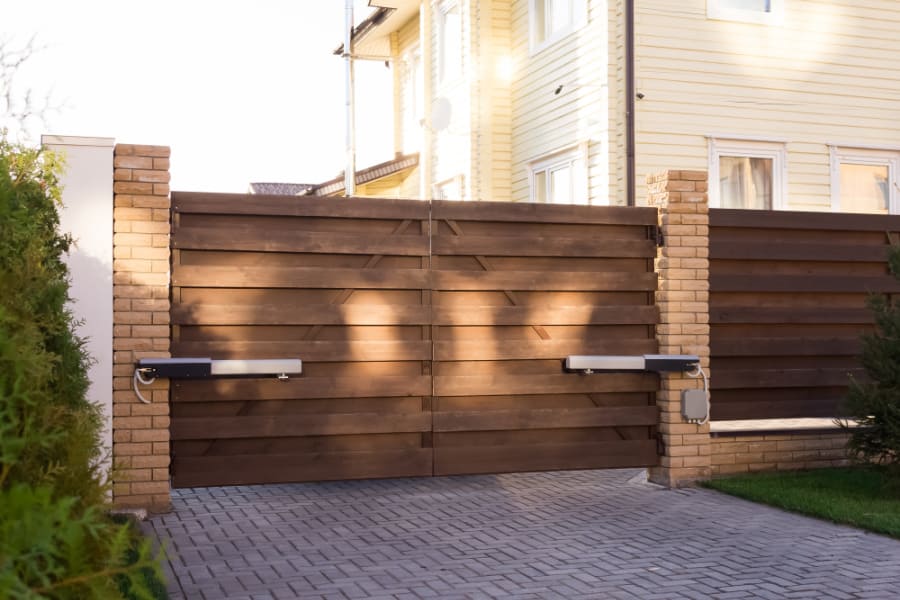
Gate automation looks simple from the outside. A motor, a remote, a gate that opens when you pull in, what could go wrong? Quite a bit, as it turns out. Perth homeowners who have gone through the process often say they wish they had known a few things earlier. Not because the technology is overly complex, but because the decisions made at the start tend to carry long-term consequences. Get them right and the system runs smoothly for years. Get them wrong and you may be dealing with repairs, modifications, or even replacement sooner than expected.
Here’s what tends to trip people up.
- Buying the Motor Before Understanding the Gate
This one catches more people than you might expect. A motor is not a universal fit; it needs to match the gate type, weight, and how often it will be used. A light-duty motor on a heavy double gate will wear out quickly. A swing gate motor will not suit a sliding setup. A system sized for a quiet residential property may not handle a busier entrance.
Before choosing any automatic gates in Perth solution, have the gate specifications confirmed first. Weight, dimensions, and the type of operation – whether swing, sliding, or cantilever – all need to be clear before selecting a motor. Suppliers worth working with will usually ask these questions upfront. If they do not, it is something to take note of.
- Skipping the Site Assessment
A driveway that appears straightforward can present real challenges once details are considered. Slope affects how a swing gate moves and what type of motor is suitable. Wind exposure influences load requirements. The distance from the power source determines whether trenching is practical or if another approach is needed.
Electric gates Perth installations that run into issues after installation often trace back to a site that was not properly assessed beforehand. Fixing problems after concrete is poured or landscaping is complete is usually far more costly than addressing them early.
- Choosing the Wrong Material for WA Conditions
Perth’s coastal suburbs can be particularly demanding on materials. Salt air in areas like Fremantle, Cottesloe, and Scarborough accelerates corrosion in ways that are not always obvious at first. Steel gates, especially lower-quality products, can appear fine initially before hinges and frames begin to show signs of wear.
Aluminium gates Perth installations tend to perform better in these environments. Aluminium does not rust, handles UV exposure well, and generally requires less maintenance than steel or timber.
According to the Aluminium Council of Australia, aluminium can maintain its structural integrity for decades when properly finished, making it a practical choice for long-term installations in WA conditions. For coastal homes, this is not a minor detail – it is something that affects maintenance and performance over time.
- Not Planning the Power Supply Early Enough
Power supply should be considered early in the process, not as an afterthought. Running conduit after a driveway has been completed or landscaping is in place can be expensive and disruptive.
For gates positioned further from the house, solar gates Perth systems can be a practical alternative. Perth’s high sunlight levels make solar a reliable option when systems are properly sized with adequate battery storage. It is not only about avoiding trenching, but also maintaining operation during power outages.
The key is to make this decision before installation begins.
- Forgetting About Access Control
The gate itself is only one part of the system. How people actually access it – remotes, keypads, intercoms, vehicle loop detectors, or app-based entry – is a separate set of decisions that should be made early.
Retrofitting access control later can be more complex and costly than installing it from the start. It often involves additional cabling and changes to finished work. Any discussion around gate automation Perth should include access control from the outset. If it is not raised, it is worth bringing up.
- Ignoring Safety Requirements
Automated gates must include key safety features such as auto-reverse mechanisms, safety beams, and appropriate force settings. These are essential, not optional. A gate that closes on a vehicle, pet, or person due to incorrect setup presents a serious risk.
This is not an area where cutting corners is worthwhile. It is important to confirm what safety features are included and how they will be tested once installed.
A Quick List on Mistakes That You Shouldn’t Overlook
| Common Mistake | What It Leads To |
|---|---|
| Wrong motor specification | Premature failure, costly replacement |
| No site assessment | Post-install modifications, extra expense |
| Cheap steel in coastal areas | Corrosion, structural issues within years |
| Power supply planned late | Disruption to finished landscaping or paving |
| Access control as an afterthought | Retrofitting costs, messy cabling |
| Safety features overlooked | Compliance issues, real risk of injury |
The Bottom Line
The pattern across all of these is consistent. Problems that appear after installation usually come from decisions, or missed decisions, made early on. The technology itself is reliable. It is the planning stage that determines how well the system performs over time.
About the Author