When allergy season hits, most people think about pollen, open windows, and air filters. Few look down. That’s a mistake. In many homes, the crawlspace acts like a quiet entry point for moisture, mold spores, dust, and musty air that can move upward into living areas. The EPA notes that moisture problems drive mold growth, and damp indoor spaces lead to allergy and respiratory symptoms.
A good rule of thumb is simple: if the crawlspace is damp, the air above it often suffers too. This matters because Americans spend much of their time indoors, where pollutant levels can sometimes be higher than outdoor levels.
The short answer
If you want cleaner indoor air during allergy season, sealing the crawlspace is often the first practical move because it reduces the moisture that allows mold, dust mites, and stale air to build up. That is why solutions like crawlspace encapsulation in Charlotte NC are not just about structural protection. They also support a healthier home environment.
Why the crawlspace affects the air you breathe
In many homes, air does not stay neatly separated by floor level. Small gaps around plumbing, wiring, ductwork, and framing allow air from lower areas to move upward. If the crawlspace holds damp insulation, standing water, or visible mold, that air can carry odors and particles into the rooms where your family sleeps, cooks, and relaxes.
Moisture sets off the chain reaction:
- Damp materials create conditions where mold can grow.
- High humidity supports dust mites, a common indoor allergen.
- Wet wood and organic debris can attract pests.
- Musty odors and airborne irritants can spread through the home.
The key issue is not just water on the ground. It is prolonged humidity. The American Academy of Allergy, Asthma & Immunology recommends keeping indoor humidity around 40 to 50%, and allergy groups commonly advise staying below 50% to make the home less friendly to dust mites.
Why allergy season makes the problem feel worse
Spring and fall already bring a heavier allergen load from outside. Once pollen comes in on shoes, pets, or clothing, a damp crawlspace can make the indoor side of the problem harder to manage. Mold spores and dust mite allergens do not replace seasonal pollen, but they can add to the total burden on your nose, eyes, and lungs.
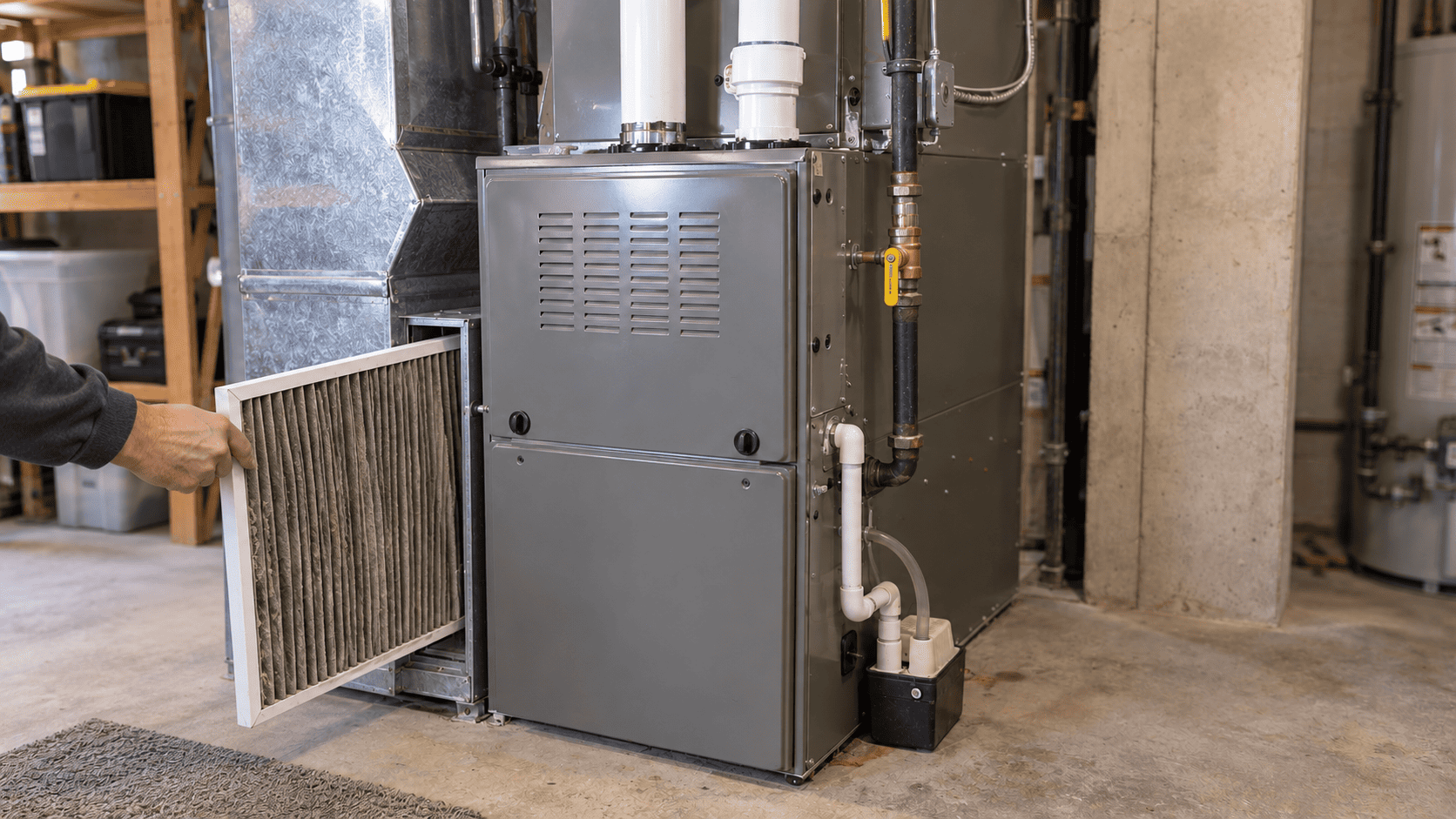
That helps explain why some homeowners still deal with sneezing, congestion, or a stale smell even after changing HVAC filters. If the lower part of the house stays wet, the source remains in place. Effective crawl space moisture control gives the rest of your indoor air strategy a fair chance to work.
What sealing a crawlspace usually includes
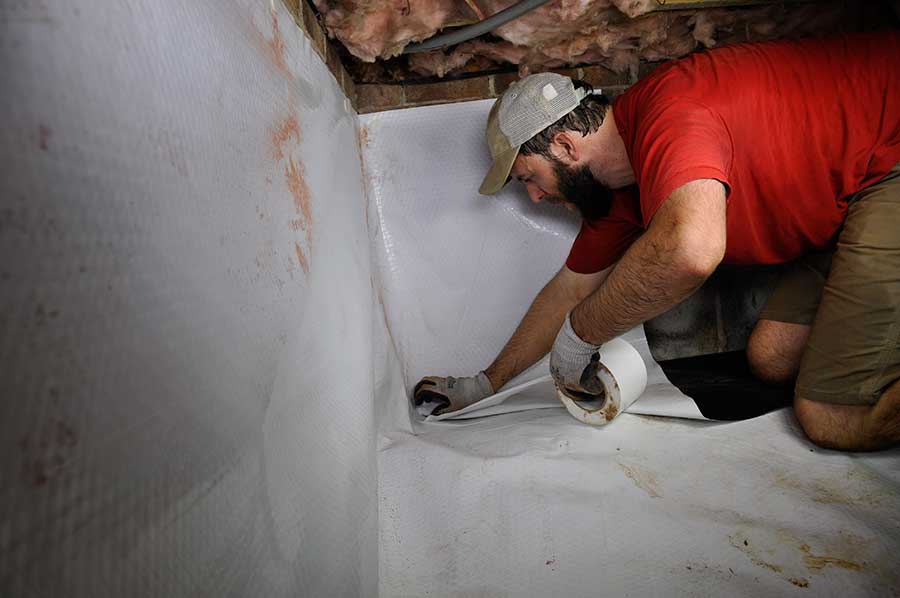
A sealed crawlspace is more than plastic on the ground. A complete system may involve several parts working together:
- Ground covering to block soil moisture
- Sealed vents and penetrations
- Drainage improvements where needed
- Dehumidification or humidity management
- Insulation upgrades in the right locations
- Repair of leaks, standing water, or damaged materials before sealing
This is where crawl space waterproofing & encapsulation becomes a smart first step instead of a cosmetic fix. When done correctly, it addresses the source of dampness rather than masking the symptoms. Controlling moisture is the way to control mold.
Signs your crawlspace may be hurting indoor air quality
You do not need visible mold on the living room wall to have a crawlspace problem. Watch for signs like these:
- Musty odors, especially after rain
- Floors that feel damp or unusually cold
- Condensation on ducts or pipes
- Allergy symptoms that seem worse indoors
- Sagging or wet insulation
- Pest activity near the foundation
- Higher indoor humidity levels
The best crawl space encapsulation company in Charlotte will inspect moisture sources first, rather than just installing materials. A careful evaluation matters because a liner alone will not solve active leaks or poor drainage.
Where insulation fits in
Insulation still matters, but it has to stay dry to do its job well. Wet or sagging material can hold moisture and contribute to air quality problems instead of helping energy performance. That is why many homeowners end up speaking with crawl space insulation contractors in Charlotte after the moisture issue is identified. Dry, properly placed insulation supports comfort. Damp insulation usually does the opposite.
Crawl space vapor barrier installation in Charlotte NC can also help limit moisture moving up from the soil. On its own, it may not solve every problem, though it is often a core part of a broader sealing plan.
The takeaway
Air quality work often starts with visible rooms, but cleaner indoor air usually begins below the floor. A sealed, dry crawlspace can reduce moisture, discourage mold growth, lower dust mite activity, and help your home smell and feel better during allergy season. For many homes, that is the first fix worth making because it targets the source, not just the symptoms.
About the Author