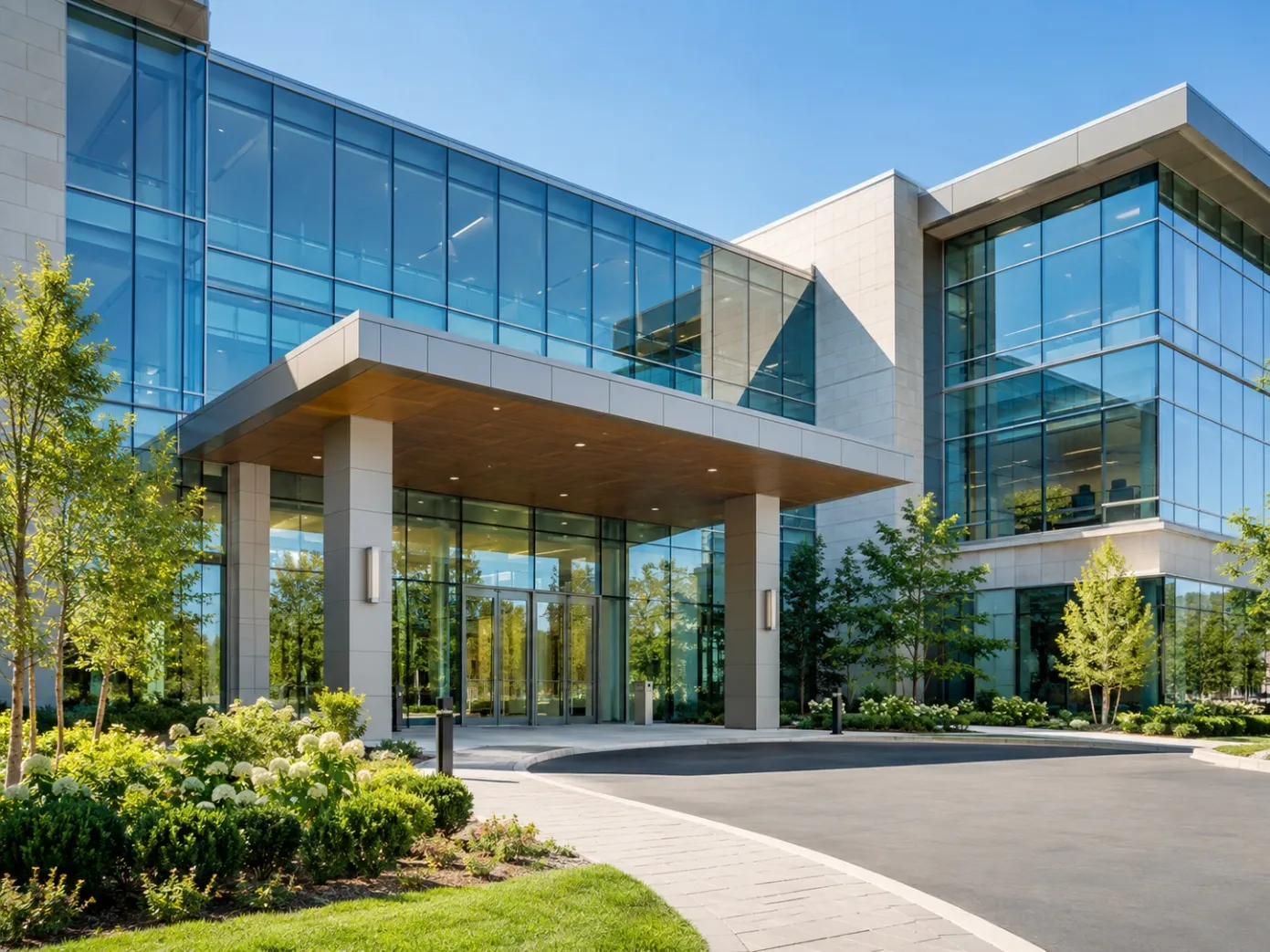
The Future is Here: How Smart Building Materials Are Reshaping Construction
Construction has long been one of the world’s oldest and most traditional industries, relying on materials and methods that have remained largely unchanged for decades. Yet, in recent years, an exciting wave of innovation has begun to transform the very foundations of how we build. Enter smart building materials—technologically advanced substances that not only improve structural integrity but also enhance energy efficiency, safety, and sustainability. These materials are not just part of the future of construction; they are actively redefining it today.
The shift toward smart materials is driven by urgent global challenges: climate change, urbanization, resource scarcity, and the need for resilient infrastructure. Traditional materials like concrete and steel, while durable, come with significant environmental footprints—accounting for nearly 10% of global carbon dioxide emissions. Smart building materials offer a promising pathway to reduce this impact while delivering superior performance and adaptability. From self-healing concrete to transparent solar glass, the next generation of construction materials is here, and it’s smarter, greener, and more responsive than ever before.
—
What Are Smart Building Materials?
Smart building materials refer to construction components that integrate advanced technologies, sensors, or novel properties to perform functions beyond mere structural support. These materials can respond to environmental changes, monitor their own condition, generate energy, or even repair themselves. Unlike conventional materials, smart materials possess properties that can be activated or adjusted in real time, making them dynamic rather than static.
At their core, smart building materials typically fall into three broad categories:
- Responsive materials: React to external stimuli such as temperature, moisture, or stress. Examples include shape-memory alloys and thermochromic coatings.
- Sensing materials: Embedded with sensors or conductive elements that monitor structural health, air quality, or energy usage. Think of smart concrete with embedded fiber optics.
- Energy-generating materials: Generate electricity from sunlight, vibrations, or temperature differentials. Transparent photovoltaic glass and piezoelectric tiles are leading examples.
These materials are enabled by advances in nanotechnology, biotechnology, and digital integration, creating a new paradigm where buildings are not just static structures but living, responsive systems.
—
Top 5 Smart Building Materials Revolutionizing the Industry
The construction industry is embracing a variety of smart materials that promise to make buildings safer, more efficient, and environmentally friendly. Below are five of the most transformative innovations currently making waves in the sector.
1. Self-Healing Concrete
One of the most groundbreaking advancements in construction, self-healing concrete incorporates bacteria, polymers, or other agents that activate when cracks form. These agents produce limestone or other compounds that fill micro-cracks, preventing water infiltration and corrosion of steel reinforcement. Some versions can repair cracks up to 0.8 mm wide, significantly extending the lifespan of structures and reducing maintenance costs. Researchers are now exploring bacterial strains like Bacillus pasteurii that thrive in alkaline environments and precipitate calcium carbonate as a healing agent.
2. Transparent Solar Glass
Imagine a window that not only lets in light but also generates electricity. Transparent solar glass, or photovoltaic glass, integrates solar cells into windowpanes while maintaining transparency. These solar windows can be tinted or clear and can generate power from both direct sunlight and ambient light. Companies like Ubiquitous Energy and Polysolar are pioneering these technologies, which could turn every building façade into a renewable energy source. In urban areas, where rooftop solar is limited, transparent solar could supply up to 40% of a building’s energy needs.
3. Aerogel Insulation
Known as “frozen smoke” due to its ethereal appearance, aerogel is one of the lightest and most insulating materials on Earth. Made primarily from silica, aerogel can insulate up to 39 times better than fiberglass with just a fraction of the thickness. Its nanoporous structure traps air, providing exceptional thermal resistance without bulk. Aerogel insulation panels are now being used in walls, roofs, and floors, drastically reducing heating and cooling energy consumption. The material is also fire-resistant and hydrophobic, making it ideal for both residential and commercial applications.
4. Graphene-Enhanced Materials
Graphene, a single layer of carbon atoms arranged in a hexagonal lattice, is one of the strongest and most conductive materials known. When incorporated into concrete, coatings, or composites, it can enhance strength, durability, and electrical properties. Graphene-enhanced concrete can achieve up to 30% higher strength with less cement, reducing carbon emissions. Graphene-based sensors embedded in structural elements can detect stress, temperature changes, or corrosion in real time, enabling predictive maintenance and enhanced safety monitoring.
5. Shape-Memory Alloys and Polymers
Shape-memory alloys (SMAs) and polymers have the unique ability to “remember” their original shape and return to it after deformation when exposed to heat or electrical current. In construction, SMAs are being used to create adaptive structures, seismic dampers, and even self-centering braces for earthquake-resistant buildings. These materials can absorb and dissipate energy during seismic events, reducing structural damage and improving occupant safety. Additionally, SMAs are being explored for use in smart facades that adjust their shape to optimize sunlight and ventilation.
—
The Benefits of Smart Building Materials
The adoption of smart building materials offers a wide range of advantages that extend far beyond mere technological novelty. These benefits address critical challenges faced by the construction industry and society at large, making them not just desirable but essential for sustainable development.
The primary benefits include:
- Energy Efficiency: Materials like aerogel insulation and transparent solar glass significantly reduce energy consumption for heating, cooling, and electricity, leading to lower utility bills and reduced carbon emissions.
- Durability and Longevity: Self-healing concrete, graphene-enhanced composites, and corrosion-resistant coatings extend the lifespan of buildings, reducing the need for costly repairs and replacements.
- Enhanced Safety: Sensing materials and adaptive structures provide real-time monitoring of structural health, detecting cracks, stress, or environmental hazards before they become critical. This enables proactive maintenance and improved emergency response.
- Sustainability: Many smart materials reduce reliance on virgin resources, incorporate recycled content, or generate their own energy. They help buildings meet green building standards like LEED and WELL, contributing to net-zero energy goals.
- Cost Savings: While initial costs may be higher, the long-term savings from reduced energy use, lower maintenance, and extended material lifespan often outweigh upfront investments.
- Improved Occupant Comfort: Smart glazing, adaptive ventilation systems, and self-regulating materials create healthier, more comfortable indoor environments with better air quality, temperature control, and natural lighting.
Together, these benefits position smart building materials as key enablers of the next generation of sustainable, resilient, and intelligent infrastructure.
—
Challenges and Barriers to Adoption
Despite their immense potential, smart building materials face several hurdles that slow widespread adoption. Understanding these challenges is crucial for policymakers, engineers, and investors working to accelerate the transition.
1. High Initial Costs
The most significant barrier is the cost. Smart materials often involve advanced manufacturing processes, rare or novel ingredients, and specialized labor, all of which drive up prices. For example, aerogel insulation can cost up to 10 times more per square meter than traditional fiberglass. While lifecycle cost analyses often justify the investment, high upfront costs deter many developers, especially in cost-sensitive markets.
2. Lack of Standardization and Regulation
Smart materials operate in a regulatory gray area. Many lack standardized testing protocols, performance benchmarks, or installation guidelines. Building codes, which typically lag behind technological innovation, have not yet fully integrated provisions for smart materials. This creates uncertainty for architects, engineers, and contractors, who may be reluctant to specify unproven or non-compliant products.
3. Limited Scalability and Supply Chain Issues
Many smart materials are still in the research or pilot phase, with limited commercial-scale production. Graphene, for instance, is expensive to produce in large quantities, and supply chains for specialized coatings or embedded sensors are not yet mature. This scarcity drives up costs and creates bottlenecks in availability.
4. Resistance to Change in a Conservative Industry
The construction industry is notoriously risk-averse and slow to adopt new technologies. Contractors, tradespeople, and even clients may be hesitant to embrace unfamiliar materials, especially when traditional options have proven reliable over decades. Education and demonstration projects are essential to build trust and familiarity.
5. Durability and Long-Term Performance Uncertainty
While some materials like self-healing concrete show promise, questions remain about their long-term behavior under real-world conditions. How will sensors embedded in concrete perform after 20 years? Will aerogel maintain its insulating properties over time? These unknowns require continued research and real-world testing to validate performance claims.
Addressing these challenges will require collaboration among researchers, manufacturers, regulators, and industry leaders to develop cost-effective solutions, standardize practices, and build market confidence.
—
The Role of Technology and Digital Integration
Smart building materials don’t operate in isolation—they are part of a larger ecosystem of digital technologies that enhance their functionality and enable data-driven decision-making. The convergence of the Internet of Things (IoT), artificial intelligence (AI), and building information modeling (BIM) is creating a new paradigm: the intelligent building.
Here’s how technology amplifies the impact of smart materials:
1. IoT Sensors and Embedded Systems
Sensors embedded within smart materials monitor parameters such as temperature, humidity, stress, vibration, and air quality. These sensors are connected to IoT networks that transmit data to cloud platforms. For example, smart concrete with embedded fiber optics can detect micro-cracks and alert engineers before they become visible or dangerous. Other sensors track energy usage, occupancy patterns, and environmental conditions to optimize building performance in real time.
2. Building Information Modeling (BIM)
BIM software allows architects and engineers to integrate smart materials into digital models from the design phase. This enables simulation of material behavior under different conditions, clash detection, and optimization of construction sequences. BIM also facilitates the management of sensor data and maintenance schedules, ensuring that smart components are used effectively throughout the building’s lifecycle.
3. Artificial Intelligence and Predictive Analytics
AI algorithms analyze data from sensors to predict structural failures, energy inefficiencies, or maintenance needs. Machine learning models can detect anomalies in material performance, such as unexpected stress patterns in graphene-enhanced concrete, and recommend corrective actions. AI also powers energy management systems that adjust lighting, heating, and cooling based on real-time occupancy and weather data.
4. Digital Twins
A digital twin is a virtual replica of a physical building that is continuously updated with real-time data. When combined with smart materials, digital twins enable unprecedented levels of monitoring and control. Engineers can simulate the impact of environmental changes, test renovation scenarios, or simulate disaster responses without risking the physical structure. This technology is already being used in high-profile projects like The Edge in Amsterdam, one of the world’s most connected smart buildings.
The integration of these technologies transforms buildings from static structures into dynamic, self-aware ecosystems that optimize performance, reduce waste, and enhance occupant well-being.
—
Case Studies: Real-World Applications of Smart Materials
While still gaining momentum, smart building materials are already being deployed in innovative projects around the world. These case studies demonstrate their potential and inspire broader adoption.
1. The Edge, Amsterdam (Netherlands)
Often called the “smartest building in the world,” The Edge integrates over 28,000 sensors, IoT devices, and smart materials to create a fully responsive environment. The building features transparent solar glass, LED lighting controlled by app, and a smartphone-based access system. Energy is generated on-site through solar panels and stored in a large battery system. The use of smart materials and digital integration has resulted in 98% energy efficiency and 70% lower CO2 emissions compared to traditional office buildings.
2. The Al Bahar Towers, Abu Dhabi (UAE)
These twin skyscrapers use a dynamic sun-shading system inspired by traditional Islamic mashrabiya patterns. The facade is made of 2,000 umbrella-like units that automatically adjust their angle based on sunlight intensity, reducing solar heat gain by up to 50%. While not a “material” in the traditional sense, the system functions as a smart, responsive skin that enhances energy performance and occupant comfort. The towers have achieved a LEED Platinum certification, one of the highest green building standards.
Researchers are now exploring how shape-memory alloys could be integrated into such adaptive facades to create even more responsive and durable systems.
3. The Dr Chau Chak Wing Building, Sydney (Australia)
Designed by Frank Gehry, this business school building features a facade made of recycled materials and incorporates aerogel insulation in its walls. The building also uses smart glazing that adjusts tint based on sunlight, reducing cooling loads. The integration of aerogel, recycled content, and responsive glazing has contributed to a 40% reduction in energy consumption compared to similar structures.
4. The BioMason Brick Project, Various Locations
BioMason has developed a bio-concrete brick that grows through a process similar to how coral forms its skeleton. Using bacteria, sand, and urea, the company creates bricks that harden at room temperature without firing, eliminating the need for kilns and reducing CO2 emissions by up to 80%. These bricks are already being used in commercial and residential projects in the U.S. and Europe, proving that biological processes can revolutionize traditional construction.
5. The Solar Glass House, Tokyo (Japan)
This experimental house uses transparent solar glass windows developed by Ubiquitous Energy. The windows generate electricity while allowing natural light to enter, powering the home’s lighting, appliances, and even electric vehicles. The project demonstrates how solar glazing can be integrated into residential construction, paving the way for net-zero energy homes in densely populated urban areas.
These projects illustrate that smart building materials are not just theoretical—they are already shaping the skylines of tomorrow.
—
The Path Forward: What the Future Holds
The journey of smart building materials from lab bench to construction site is well underway, but the road ahead is still long. As technology evolves and costs decline, these materials are poised to become the standard rather than the exception. The future of construction will likely be defined by three key trends: integration, miniaturization, and circularity.
1. Greater Integration with AI and Robotics
As AI becomes more sophisticated, it will not only monitor buildings but actively manage them. Predictive maintenance will become the norm, with algorithms detecting potential failures days or weeks in advance. Robots and drones equipped with sensors will inspect structures, apply coatings, or even print 3D structures using smart materials. This automation will improve safety, reduce labor costs, and enhance precision in construction.
2. The Rise of Bio-Based and Circular Materials
The future of smart materials lies in sustainability. Bio-based materials like mycelium composites, bacterial cellulose, and algae-based plastics are emerging as eco-friendly alternatives to conventional plastics and foams. Circular economy principles will drive the development of materials that can be fully recycled or composted at the end of their life. For instance, self-healing polymers made from renewable resources could replace petroleum-based plastics in flooring and insulation.
3. Widespread Adoption of Net-Zero Energy Buildings
With global commitments to the Paris Agreement and net-zero carbon goals, buildings must become energy producers rather than consumers. Smart materials like transparent solar glass, piezoelectric flooring, and geothermal-optimized foundations will play a central role in achieving these targets. Governments are already incentivizing green building through tax credits, grants, and stricter building codes, which will accelerate market adoption.
4. Smart Cities and District-Level Integration
The next frontier is not just smart buildings but smart cities. Smart materials will be deployed at the district level, with entire neighborhoods using responsive facades, energy-sharing grids, and intelligent infrastructure. Materials that can absorb air pollutants, generate local energy, or adapt to climate conditions will be integrated into urban design. This holistic approach will create resilient, sustainable, and livable cities.
5. Public Awareness and Education
As smart materials become more common, public understanding and acceptance will grow. Educational initiatives, open-source data platforms, and demonstration projects will help demystify these technologies and showcase their benefits. Architects and engineers will need to adapt their curricula and professional development programs to include training in smart material integration and digital construction tools.
The future of construction is not just about building taller, faster, or cheaper—it’s about building smarter. Smart building materials represent a convergence of science, technology, and sustainability, offering a path to a more resilient and responsible built environment. While challenges remain, the momentum is undeniable. With continued innovation, collaboration, and policy support, smart materials will move from the fringes of construction to the heart of the industry, reshaping the way we live, work, and build for generations to come.
—
Conclusion: Building a Smarter, Greener Future
The construction industry stands at a pivotal moment. Faced with environmental pressures, urban growth, and technological disruption, it must evolve or risk obsolescence. Smart building materials offer a beacon of hope—a way to reconcile strength, efficiency, and sustainability in the structures that define our cities and our lives.
From self-healing concrete that repairs itself to transparent solar glass that powers our homes, these materials are not just changing what we build, but how we think about building. They represent a shift from static structures to living, responsive systems that interact with their environment and occupants in intelligent ways.
Yet, the true power of smart materials lies not in their individual capabilities, but in their collective integration with digital technologies. When combined with AI, IoT, and digital twins, these materials enable buildings that learn, adapt, and optimize their own performance. They transform passive structures into active participants in the fight against climate change and urban inequality.
The challenges are real: high costs, regulatory hurdles, and industry resistance. But with every pilot project, every breakthrough in nanotechnology, and every policy encouraging green building, these barriers are being chipped away. The construction site of the future will not be defined by hammers and nails alone, but by sensors, algorithms, and materials that think.
As we look ahead, one thing is clear: the buildings of tomorrow will not be built with the same materials as those of yesterday. They will be smarter, greener, and more connected. And in that transformation lies the promise of a more sustainable and resilient world—one brick, one panel, one sensor at a time.
About the Author