Introduction & Background
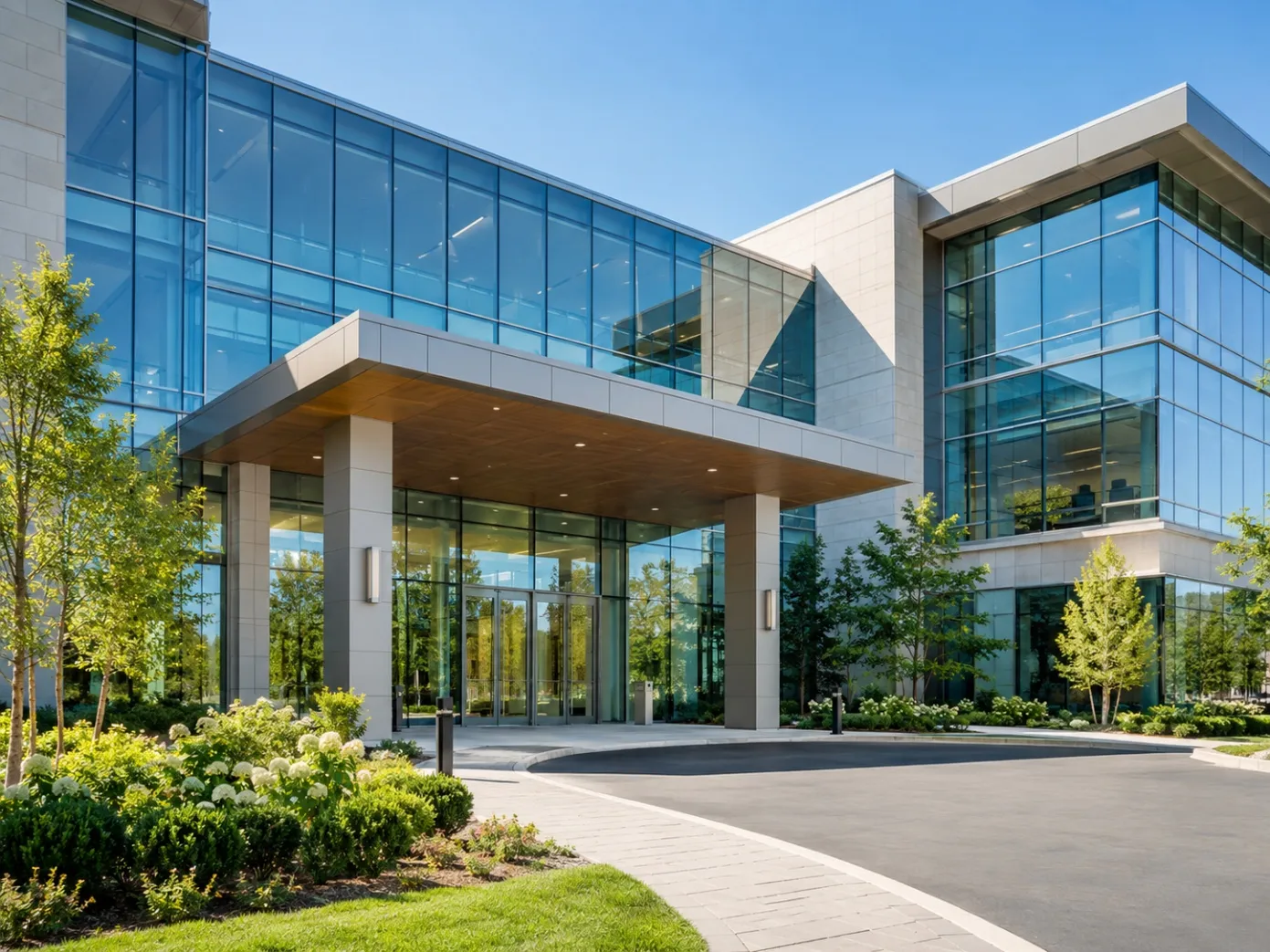
The construction industry stands at a pivotal moment, where innovation is not just an option but a necessity for sustainable growth. As urbanization accelerates and resources become scarcer, the way we build today will define the cities, infrastructure, and living spaces of tomorrow. Modern construction projects are no longer limited to traditional bricks and mortar; they now integrate cutting-edge technologies, eco-friendly materials, and smart solutions to meet the demands of a rapidly changing world. The significance of these trends lies in their ability to enhance efficiency, reduce costs, and minimize environmental impact while delivering high-quality structures. From skyscrapers that breathe to bridges that self-monitor their structural health, the future of construction is being reshaped by bold ideas and relentless innovation.
Concept & Overview
The core concept behind innovative trends in modern construction revolves around merging technology, sustainability, and human-centric design to create structures that are smarter, safer, and more adaptable. At its heart, this evolution is driven by the need to address inefficiencies in traditional construction methods, such as excessive waste, prolonged timelines, and high labor costs, while embracing digital transformation and green practices. Modern construction is not merely about erecting buildings; it is about reimagining the entire lifecycle of a project, from planning and design to execution and maintenance. This approach prioritizes collaboration, precision, and performance, ensuring that every element of a structure serves a purpose beyond aesthetics. By leveraging tools like Building Information Modeling (BIM), drones, and modular construction, the industry is moving toward a future where projects are completed faster, with greater accuracy, and with a smaller carbon footprint.
Key Features & Highlights
- Sustainable Materials: The shift toward eco-friendly construction materials is one of the most transformative trends. Recycled steel, reclaimed wood, and low-carbon concrete are replacing traditional resources, reducing the environmental footprint of projects. Innovations like self-healing concrete, which repairs cracks autonomously, and cross-laminated timber (CLT) for sustainable building frames are gaining traction.
- Modular and Prefabricated Construction: This method involves assembling components in a factory setting before transporting them to the construction site. It significantly cuts down on labor costs, minimizes waste, and accelerates project timelines. Prefabricated modules can be customized for residential, commercial, or industrial use, offering flexibility without compromising quality.
- Smart and Connected Construction Sites: The integration of Internet of Things (IoT) sensors, drones, and real-time monitoring systems is revolutionizing how construction sites operate. These technologies provide data-driven insights into equipment performance, worker safety, and material usage, enabling predictive maintenance and reducing downtime.
- Building Information Modeling (BIM): BIM is a digital representation of a building’s physical and functional characteristics. It allows architects, engineers, and contractors to collaborate seamlessly, detect clashes in design early, and optimize resource allocation. BIM’s 3D models are not static; they evolve throughout a project’s lifecycle, providing valuable insights for maintenance and renovations.
- 3D Printing in Construction: Additive manufacturing, or 3D printing, is making it possible to construct complex structures with unprecedented speed and precision. From entire houses printed in hours to intricate architectural details, this technology reduces material waste and opens new avenues for design freedom. Companies are already using 3D printing to create affordable housing solutions in underserved regions.
- Augmented and Virtual Reality (AR/VR): These technologies are transforming the way construction professionals visualize and interact with projects. AR overlays digital information onto the physical world, aiding in on-site decision-making, while VR creates immersive simulations for training, design reviews, and client presentations. This enhances communication, reduces errors, and improves overall project outcomes.
- Renewable Energy Integration: Modern construction projects are increasingly incorporating renewable energy sources such as solar panels, wind turbines, and geothermal systems. Buildings are designed to be energy-efficient, with features like passive solar design, green roofs, and smart HVAC systems that adapt to occupancy and weather conditions. Net-zero energy buildings, which produce as much energy as they consume, are becoming a standard in sustainable construction.
- Robotics and Automation: Robots are taking on repetitive and hazardous tasks on construction sites, from bricklaying to welding. Autonomous machinery, like self-driving bulldozers and drones for site surveys, improves safety and efficiency. Robotics also plays a crucial role in demolition and cleanup, reducing risks to human workers.
Frequently Asked Questions / Pros & Cons
What are the primary benefits of using sustainable materials in construction?
Sustainable materials offer multiple advantages, including reduced environmental impact, lower long-term costs due to energy efficiency, and improved indoor air quality. They also enhance a project’s reputation by aligning with green building certifications like LEED or BREEAM, which can attract investors and tenants. Additionally, many sustainable materials are durable and require less maintenance over time.
How does modular construction compare to traditional methods in terms of cost and time?
Modular construction typically reduces project costs by up to 20% and shortens timelines by 30 to 50%, according to industry reports. This is because modules are built in controlled factory environments, eliminating weather-related delays and reducing labor costs. However, the initial investment in modular design and transportation can be higher, and projects may require larger upfront planning to accommodate module sizes and site logistics.
What challenges do contractors face when adopting smart construction technologies?
One of the biggest challenges is the learning curve associated with new technologies. Contractors may need to invest in training for their workforce to operate IoT devices, drones, or BIM software effectively. Another hurdle is the integration of these technologies with existing systems, which can require significant IT infrastructure upgrades. Additionally, data security and privacy concerns arise with the increased use of connected devices, necessitating robust cybersecurity measures.
Are 3D-printed buildings as durable and safe as traditionally constructed ones?
Yes, 3D-printed buildings meet the same safety and durability standards as traditional construction when designed and printed correctly. The materials used in 3D printing, such as concrete and polymers, are rigorously tested for strength and resilience. However, the technology is still evolving, and long-term performance data is limited compared to conventional methods. As the industry matures, 3D printing is expected to become a mainstream construction technique for both small and large-scale projects.
What role does government policy play in promoting innovative construction trends?
Government policies play a crucial role in accelerating the adoption of innovative construction practices. Incentives such as tax breaks, grants, and subsidies for green building projects encourage developers to invest in sustainable technologies. Regulations that mandate energy efficiency standards or carbon footprint reductions also push the industry toward innovation. Additionally, public sector projects often serve as testing grounds for new methods, demonstrating their feasibility and benefits to private developers.
Pros and Cons of Modern Construction Trends
- Pros:
- Increased efficiency and reduced project timelines.
- Lower operational and maintenance costs due to smart technologies.
- Enhanced sustainability and reduced environmental impact.
- Improved safety for workers through automation and robotics.
- Greater design flexibility and customization options.
- Cons:
- High initial investment costs for technology and training.
- Potential resistance to change from traditional contractors and workers.
- Limited availability of skilled labor proficient in new methods.
- Regulatory and compliance challenges in adopting untested technologies.
- Dependence on digital infrastructure, which can be vulnerable to cyber threats.
Practical Guidance & Solutions
Adopting innovative construction trends requires a strategic approach, balancing ambition with practicality. For contractors and developers looking to integrate these methods, the first step is conducting a thorough assessment of project needs and feasibility. Start small by piloting one or two innovations, such as BIM or modular construction, on a manageable project to gauge their impact. Invest in training programs to upskill the workforce, ensuring they are comfortable with new tools and technologies. Partnering with technology providers can also ease the transition, offering access to expertise and support.
When it comes to sustainable materials, prioritize locally sourced options to reduce transportation emissions and support regional economies. Collaborate with architects and engineers early in the design phase to leverage their expertise in green building practices. For smart construction sites, begin with IoT sensors to monitor equipment and environmental conditions, gradually expanding to include drones and AR/VR for enhanced visualization and decision-making.
Policy and incentives should not be overlooked. Stay informed about government programs that offer funding or tax relief for sustainable construction. Engage with industry associations to advocate for policies that support innovation while addressing regulatory hurdles. Additionally, fostering a culture of continuous improvement within your organization can drive long-term success, encouraging teams to explore new ideas and adapt to changing market demands.
Finally, prioritize transparency and communication with stakeholders, including clients, investors, and local communities. Demonstrating the tangible benefits of innovative methods, such as cost savings, reduced timelines, or environmental impact, can build trust and pave the way for broader adoption. By taking a phased, thoughtful approach, the construction industry can not only keep pace with change but lead it, shaping a sustainable and resilient future.
Conclusion
The construction industry is undergoing a profound transformation, one that is fueled by innovation, necessity, and a commitment to building a better tomorrow. From the adoption of sustainable materials to the rise of smart construction sites, these trends are not just shaping the skylines of our cities; they are redefining what it means to construct spaces that are efficient, safe, and harmonious with the environment. While challenges remain, such as high upfront costs and the need for workforce training, the benefits are undeniable. Faster project completion, lower long-term costs, and reduced environmental impact are just a few of the rewards awaiting those who embrace change.
Looking ahead, the construction projects of the future will be defined by their adaptability and intelligence. Buildings will not only stand tall but will also adapt to the needs of their occupants, harness renewable energy, and heal their own wounds. The integration of robotics, AI, and digital twins will further blur the lines between the physical and virtual worlds, creating structures that are alive with data and responsive to their surroundings. As these innovations become mainstream, they will empower a new generation of builders to create spaces that are not just functional but also regenerative, giving back to the environment as much as they take.
For industry professionals, the message is clear: the future of construction is not something to wait for; it is something to build today. By staying informed, investing in technology, and fostering a culture of innovation, we can ensure that the structures we create today will stand as testaments to progress, sustainability, and human ingenuity for generations to come. The journey toward building tomorrow starts now, one innovative project at a time.
About the Author