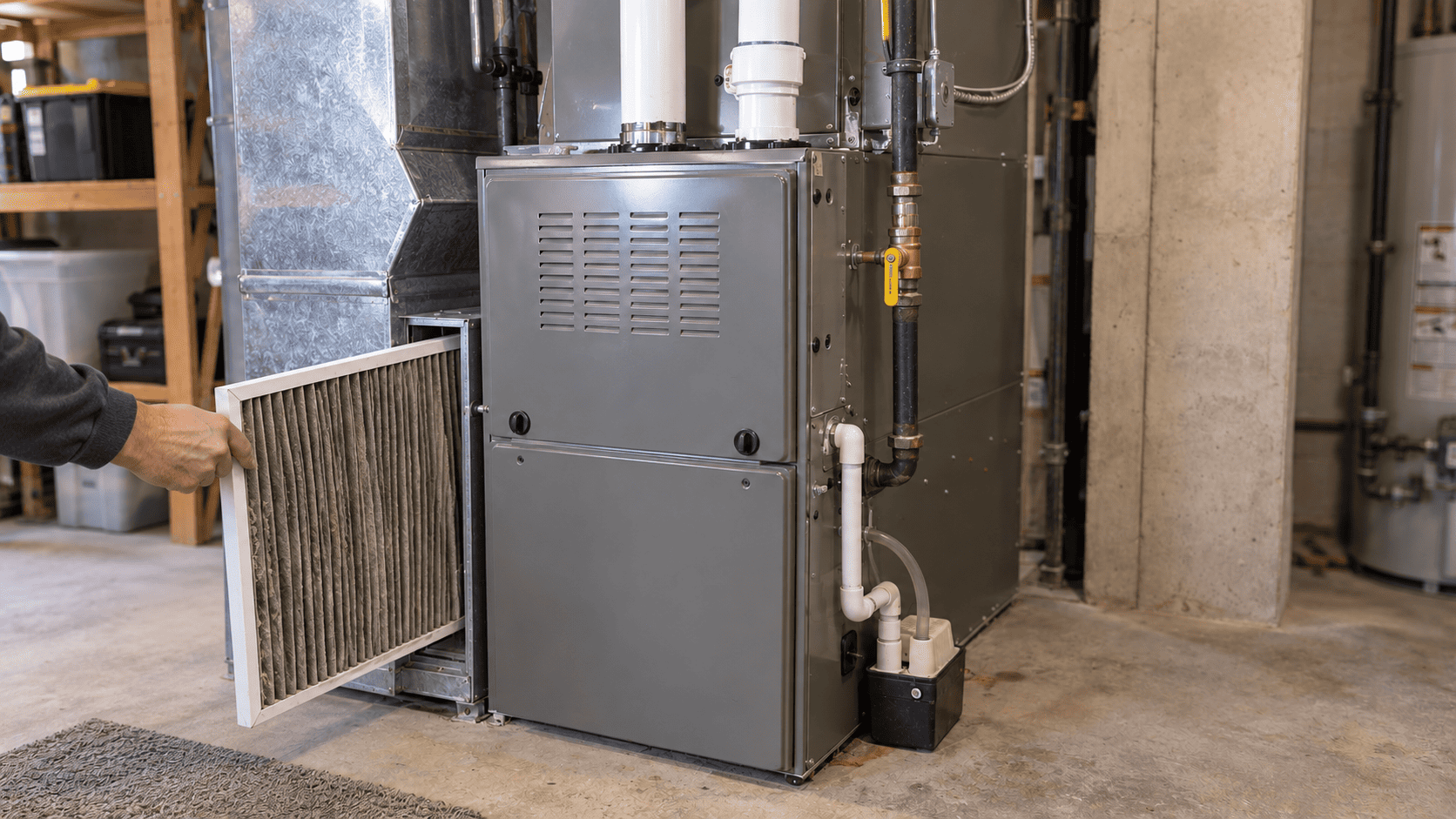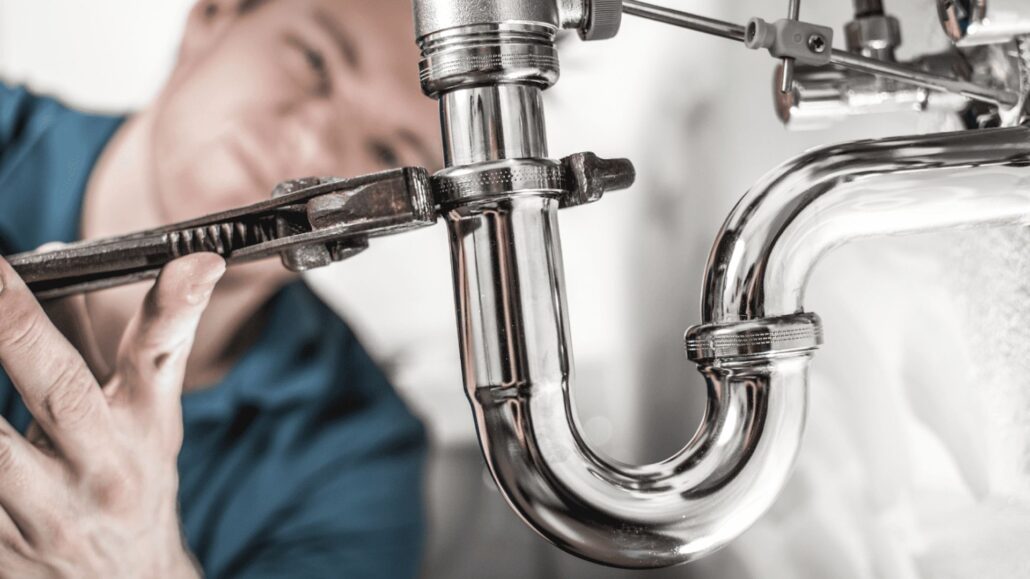
The plumbing system is the hidden circulatory network of every home. It quietly and efficiently delivers fresh water and whisks away waste, a reliable service we often take for granted until a cold shower, a clogged drain, or a burst pipe brings the chaos of a plumbing emergency. For most homeowners, maintenance is a reactive measure—we call the santa clarita plumber when there’s a problem. However, the true key to a healthy, long-lasting plumbing system, and the secret to avoiding those costly, untimely disasters, lies in proactive, routine servicing. Understanding how often your home’s plumbing needs professional attention is the difference between minor upkeep and major structural damage.
Unlike a car, which has a dashboard reminder for an oil change, a home plumbing system offers few obvious clues about its internal health until something critical fails. The general consensus among plumbing professionals is that a home’s entire system should undergo a comprehensive inspection and service at least once every two years. This bi-annual check-up is the baseline for preventing major issues, but several factors—including the age of your home, the material of your pipes, and your usage habits—can dictate whether you should schedule service more frequently.
The Water Heater: Your Most Hardworking Appliance
The water heater is a central component of the plumbing system and often the most vulnerable to neglect. Sediment buildup from hard water can accumulate at the bottom of the tank, reducing efficiency, shortening the heater’s lifespan, and leading to expensive repairs.
Regardless of the age of your home, your water heater should be serviced annually. This service should include flushing the tank to remove sediment, inspecting the anode rod (which prevents the tank from rusting), and checking the pressure relief valve. Neglecting this routine flush can lead to inefficient heating and, in the worst case, a complete failure of the unit. For tankless water heaters, a periodic flush to remove scale and mineral buildup is also necessary, though the frequency may vary based on your water hardness.
Usage and Environmental Variables
Your local environment and your family’s daily habits also play a significant role in plumbing wear and tear.
- Hard Water Areas: If you live in an area with hard water (high mineral content), you should consider a more frequent service schedule, perhaps every nine to twelve months. The minerals in hard water accelerate scale buildup in pipes, faucets, and appliance components, increasing the need for drain cleaning and component replacement. Installing a water softener can mitigate this issue, but the system itself requires regular maintenance.
- Tree Roots and Drain Lines: For homes with mature trees near the property line or older main sewer lines, a main drain line camera inspection every three to five years is a smart preventative measure. Tree roots are drawn to the moisture and nutrients in sewer lines and can infiltrate small cracks, causing major blockages and costly damage that often only becomes apparent after a complete backup.
- Seasonal Homes or Vacancies: Paradoxically, homes that sit vacant for long periods also require attention. Water that sits still can lead to corrosion or stagnant bacterial growth. If you have a seasonal property, a thorough inspection and flushing of the lines should be performed before and after the long period of vacancy.
Conclusion: Maintenance as Insurance
Ultimately, treating your home plumbing system as an asset that requires routine maintenance is the most effective way to protect your investment. A comprehensive professional service every one to two years serves as an insurance policy against expensive emergencies. It provides a plumber the opportunity to tighten a loose connection, flush out corrosive sediment, and spot a deteriorating gasket that would otherwise fail on the coldest night of the year. By moving from a reactive stance to a proactive schedule, you ensure your hidden circulatory system remains healthy, reliable, and out of sight, just as it should be.
About the Author