Drug rehab centers offer essential services to individuals battling substance use disorders. These centers provide a structured environment where people can focus on their recovery. The goal of rehab is not only to address physical addiction but also to heal emotional and psychological wounds.
With professional guidance and comprehensive treatment plans, individuals can regain control over their lives. The rehabilitation process is designed to help individuals break free from harmful habits and create a path toward lasting recovery.
The Importance of Drug Rehab Programs
Drug rehab programs are designed to help individuals understand and overcome their addiction. These programs are critical in providing patients with the tools necessary to break the cycle of dependency. Without such programs, recovery would be far more challenging, if not impossible.
The primary focus of drug rehab is to guide individuals through a structured, supportive process. This includes detoxification, therapy, and aftercare. With a variety of treatment options available, drug rehab centers ensure that the right program is tailored to each individual’s needs.
Drug Rehab Centers Provide Personalized Treatment
A key benefit of drug rehab centers is their ability to offer personalized treatment plans. Each person who enters rehab comes with a unique set of challenges, and rehab centers design individualized treatment programs to address those specific needs.
Personalized treatment includes one-on-one therapy, group counseling, and other specialized services. These programs aim to address not just the addiction but also any underlying issues, such as trauma or mental health disorders. By focusing on the whole person, drug rehab centers increase the chances of long-term success.
Therapeutic Approaches in Drug Rehab
Therapy plays a central role in the rehabilitation process. Drug rehab centers use a combination of therapeutic approaches to help individuals overcome their addiction. Cognitive-behavioral therapy (CBT) is one of the most common techniques used to treat addiction. This therapy helps individuals identify and change negative thought patterns that contribute to their substance abuse.
Additionally, many centers offer family therapy, holistic treatments, and support groups. These therapies aim to strengthen the emotional resilience of patients, making them better equipped to handle life’s challenges without turning to substances.
Rehabilitation and Recovery Support After Treatment
Recovery does not end once an individual completes a drug rehab program. Ongoing support is essential to maintaining sobriety and reintegrating into everyday life. Drug rehab centers offer aftercare services, such as outpatient counseling, support groups, and follow-up care, to help individuals continue their recovery journey.
Support after treatment helps individuals adjust to their new way of life. This phase focuses on developing coping strategies and establishing healthy habits. Continuous guidance ensures that individuals do not relapse and can live fulfilling, sober lives.
The Role of Family in Drug Rehab
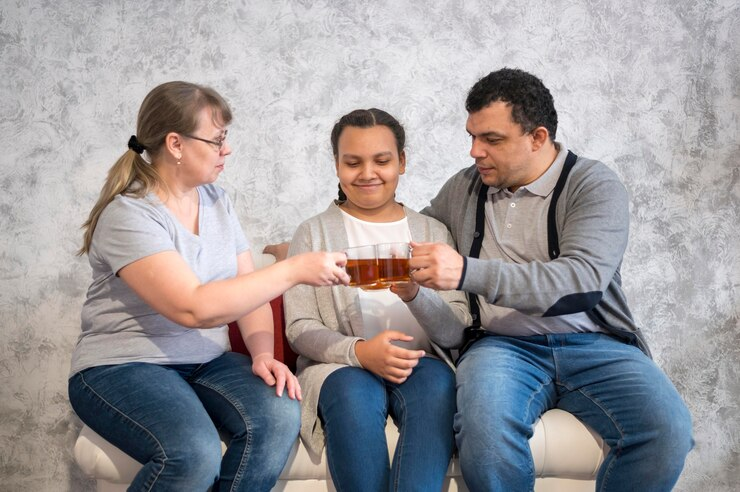
Family involvement is an integral part of the rehab process. Drug rehab centers encourage family participation in treatment, offering family counseling and education programs. This helps families understand the challenges of addiction and how they can support their loved one during and after treatment.
Family support creates a strong foundation for the individual’s recovery. By addressing family dynamics, rehab centers help create a healthier home environment, which is crucial for maintaining long-term recovery.
Conclusion
Drug rehab centers play a vital role in helping individuals regain control of their lives. Through personalized treatment, therapeutic approaches, and ongoing support, these centers provide a structured path to recovery. The combination of professional guidance and family support offers individuals the chance to break free from addiction and live a healthier, more fulfilling life.
About the Author