Access to clean and dependable water is something many homeowners and businesses rely on every day without much thought. Behind that convenience is a system that must be properly designed, installed, and maintained to perform well year after year. At the heart of this system are well pumps, pressure tanks, and the professionals who supply them. Understanding the role of well pump suppliers can help property owners make informed decisions that protect both water quality and system longevity.
Why Well Pumps Matter More Than You Think
A well pump is responsible for moving groundwater from below the surface into a home or facility where it can be used for drinking, bathing, irrigation, and other daily needs. When the pump is properly matched to the well depth, water demand, and local conditions, it operates efficiently and quietly. When it is not, problems such as low water pressure, frequent cycling, or unexpected breakdowns can occur.
This is where experienced well pump suppliers become essential. They do more than sell equipment. They help identify the correct type of pump and related components that will deliver consistent water flow while minimizing energy use and wear.
The Connection Between the Pump and the Pressure Tank
A reliable water system depends on more than just the pump itself. The relationship between the well pump and pressure tank is critical. The pressure tank stores water and helps regulate pressure throughout the system, reducing how often the pump needs to turn on and off.
When the pump and pressure tank are properly sized and paired, the system runs more smoothly, extends the life of the pump, and provides steady water pressure. Knowledgeable suppliers understand this balance and can recommend configurations that work together efficiently rather than focusing on individual components in isolation.
What Sets Quality Well Pump Suppliers Apart
Not all suppliers offer the same level of expertise or service. The most reliable well pump suppliers tend to share several important characteristics:
They have a strong understanding of local groundwater conditions, including typical well depths and water quality concerns. This allows them to recommend solutions that are practical for the area rather than generic options.
They provide guidance on system design, helping customers choose equipment that fits both current needs and future demands. This is especially important for growing households, agricultural use, or commercial properties.
They emphasize durability and efficiency. Instead of pushing unnecessary upgrades, they focus on long-term performance, energy savings, and reduced maintenance.
They offer support beyond the initial purchase, such as troubleshooting advice or guidance on proper maintenance schedules.
Common Types of Well Pump Systems
Understanding the basics of pump systems can help property owners have more productive conversations with suppliers.
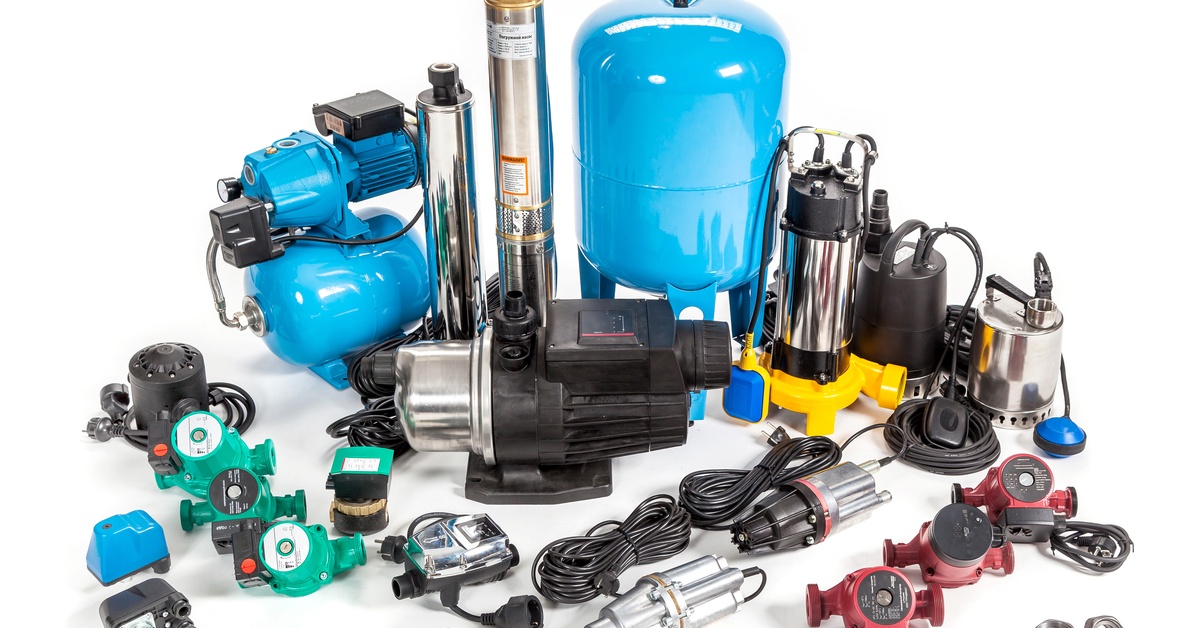
Submersible pumps are installed deep inside the well and are commonly used for deeper wells. They are efficient and quiet since they operate underwater.
Jet pumps are typically used for shallow wells and are installed above ground. They are easier to access but may be noisier and less efficient for deeper applications.
Constant-pressure systems use advanced controls to maintain steady water pressure regardless of demand. These systems often involve careful matching of the well pump and pressure tank to achieve optimal performance.
Well pump suppliers can explain the pros and cons of each option and help determine which system best suits the specific site and usage patterns.
Long-Term Benefits of Working With the Right Supplier
Choosing the right supplier is not just about solving an immediate issue. It is about building a reliable water system that will perform consistently over time.
A properly selected and installed system reduces energy consumption, lowers the risk of emergency repairs, and improves overall water pressure and reliability. In the long run, this can lead to significant cost savings and fewer disruptions.
Additionally, experienced suppliers often provide insights into preventative maintenance. Simple steps such as monitoring pressure levels, inspecting the pressure tank, and addressing small issues early can extend the life of both the pump and the entire system.
Environmental and Efficiency Considerations
Modern water systems are increasingly designed with efficiency in mind. Reducing unnecessary pump cycling not only saves energy but also decreases wear on mechanical components. Well pump suppliers who prioritize efficiency help customers reduce their environmental footprint while maintaining dependable access to water.
Efficient systems also support sustainable groundwater use by delivering water at controlled rates that align with natural recharge levels. This balance is especially important in areas where water resources must be carefully managed.
Making an Informed Decision
Before selecting a supplier, property owners should consider asking a few key questions. How familiar is the supplier with local well conditions? Do they take the time to understand water usage needs? Can they explain how the pump, pressure tank, and controls work together?
Clear communication and transparency are signs of a supplier who values long-term performance over quick sales. When suppliers take a consultative approach, customers are more likely to end up with systems that meet their needs and perform reliably.
A Reliable Water System Starts With the Right Expertise
A dependable water supply does not happen by accident. It is the result of thoughtful system design, quality components, and expert guidance. Well pump suppliers play a central role in ensuring that pumps and pressure tanks work together to deliver consistent water flow and pressure.
By choosing suppliers who understand the technical details and long-term demands of water systems, property owners can protect one of their most essential resources. With the right approach, a well pump and pressure tank setup can provide years of reliable service, peace of mind, and efficient performance.
About the Author