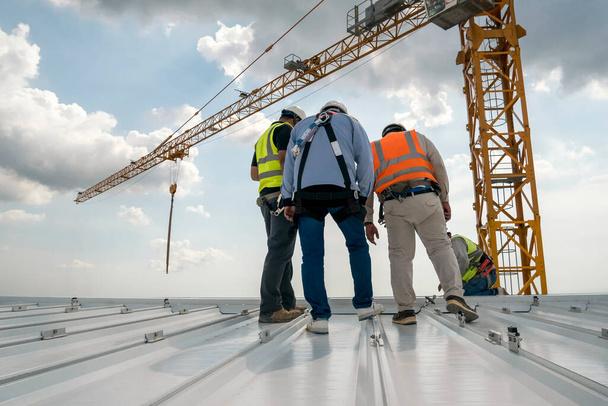
Commercial roof installation is a critical component of any commercial property project. Whether you’re constructing a new building or replacing an existing roof, this process demands careful planning, skilled craftsmanship, and high-quality materials. A well-installed commercial roof ensures the longevity, safety, and efficiency of your property, making it a crucial investment. This guide delves into the key aspects of commercial roof installation and how to achieve a successful project.
Understanding Commercial Roofs
Notably, they are fundamentally different from the residential types of roofs since they encompass expanded sizes, flat or low-slope Characters. They are intended to fit heating, ventilation and air conditioning systems, solar modules as well as other apparatus. Most commercial roofs use TPO, EPDM, PVC or metal; and they should be able to stand the rough weather conditions, yet be energy efficient.
Each roofing material has its unique benefits:
- TPO (Thermoplastic Polyolefin): Affordability and energy efficiency are the common characteristics which people attribute to this style of buildings.
- EPDM (Ethylene Propylene Diene Monomer): A long wearing synthetic rubber used as a roofing material.
- PVC (Polyvinyl Chloride): It shows very good resistance to chemical environment and to other weathering checks.
- Metal Roofing: Sturdy, extremely resistant and friendly to the natural environment.
Material selection is the most important decision in the construction that depends on climate, design of building, and cost.
The Importance of Proper Installation
Sourcing the right commercial roofing contractor will ensure that a client has the right commercial roof that can last through a number of years. However, poor installation can lead to:
- Premature leaks and water damage.
- Increased energy costs due to poor insulation.
- Frequent repairs and reduced lifespan of the roof.
- Non-compliance with building codes, which can result in fines or insurance issues.
Investing in professional roof installation ensures these issues are avoided, giving you peace of mind and long-term savings.
Steps in the Commercial Roof Installation Process
1. Initial Assessment and Planning
The process begins with an assessment of the building’s structure and the specific needs of the roof. Key factors include:
- The slope and size of the roof.
- Load-bearing capacity of the building.
- Local climate conditions and environmental factors.
- Budget and project timelines.
A detailed plan helps ensure the project stays on track and meets all requirements. You can learn more here
2. Choosing the Right Roofing System
After the assessment, the next step is selecting the roofing system and materials. This choice depends on:
Building type and usage.
Energy efficiency goals.
Maintenance requirements.
Budget constraints.
For example, a flat roof on a warehouse may benefit from TPO or EPDM, while a retail space might opt for a more aesthetically pleasing option like metal roofing.

3. Preparing the Roof Deck
Before installation, the roof deck must be inspected and prepared. This involves:
Removing old roofing materials (in the case of replacement).
Repairing or reinforcing the decking to ensure structural integrity.
Ensuring proper drainage systems are in place.
A clean, stable surface is essential for a successful installation.
4. Installing Insulation
Insulation is a crucial component of a commercial roof. It enhances energy efficiency by regulating indoor temperatures and reducing heat loss. Common insulation types include:
Rigid foam boards.
Spray polyurethane foam (SPF).
Fiberglass batts.
The insulation is installed directly on the roof deck to create a seamless thermal barrier. Learn more at https://buildinginstitute.edu.au/blog-details/how-to-install-insulation-under-metal-roofing.
5. Installing the Roofing Membrane
The roofing membrane acts as the primary barrier against weather elements. Depending on the material chosen, the installation method may vary:
Fully Adhered Systems: Use adhesives to secure the membrane to the deck.
Mechanically Attached Systems: Fasteners are used to hold the membrane in place.
Ballasted Systems: Heavy materials like gravel are placed over the membrane for stability.
This step requires precision to ensure seams are properly sealed, preventing water infiltration.
6. Adding Flashing and Accessories
Flashing is installed around edges, vents, and penetrations to provide additional protection against leaks. Gutters, downspouts, and drainage systems are also added to manage water flow and prevent pooling on the roof.
7. Final Inspection and Cleanup
Once the installation is complete, a thorough inspection is conducted to ensure quality and compliance with building codes. The roofer checks for:
Proper alignment and sealing of the membrane.
Functionality of drainage systems.
Overall workmanship and material quality.
The worksite is then cleaned up, leaving the property ready for use.
Hiring the Right Contractor
It only takes a good and experienced commercial roofing contractor to do the installation job successfully. Here’s what to look for:
- Experience: Select a contractor who wants tackled commercial roofing projects in the past.
- Credentials: Check to see if they’ve been properly licensed, bonded and insured as well as certified by manufacturers of the products that they work with.
- References: Read through other people’s experiences on the various available services.
- Warranty: Always choose contractors who offer warranties on everything from the products they use and the services they offer.
A good contractor will also explain how specific materials will be used, what needs to be done after installation and where to find them.

Maintenance Tips for Longevity
Routine maintenance of a commercial roof after having been set is crucial so that you can reap the benefits of the roof’s durability. Follow these tips:
- Schedule annual inspections to identify and address minor issues before they escalate.
- Keep the roof clean and free of debris.
- Ensure drainage systems are clear and functioning properly.
- Address weather-related damage promptly.
Proper maintenance can extend the life of your roof and reduce long-term repair costs. Read this for reference.
Conclusion
Commercial roof installation is a significant investment that requires careful planning, skilled professionals, and high-quality materials. By understanding the process and partnering with the right contractor, you can ensure a durable, efficient, and long-lasting roof for your property.
Whether you’re installing a new roof or replacing an old one, take the time to research and make informed decisions. A well-installed commercial roof not only protects your building but also adds value, enhances energy efficiency, and ensures the safety of everyone inside.
About the Author