Chimney demolition can be a significant aspect of home renovation or restoration projects. While it may seem straightforward, careful planning and execution are essential to ensure safety, structural integrity, and minimal disruption to the surrounding areas, particularly the roof. This article explores the critical considerations involved in the chimney demolition process and its effects on roof repair, providing homeowners and contractors with a comprehensive guide.
Understanding the Need for Chimney Demolition
Chimneys may need to be demolished for various reasons, including structural damage, outdated designs, or safety concerns. In some cases, homeowners might opt to remove a chimney if they have switched from a wood-burning stove or fireplace to a more efficient heating system. Understanding the purpose of the demolition helps in planning the process effectively.
Assessing Structural Integrity
Before proceeding with chimney demolition, it is essential to evaluate the existing chimney structure thoroughly. A professional inspection can help determine the chimney’s condition and any potential risks associated with its removal. This assessment may include checking for cracks, signs of water damage, and the integrity of the chimney’s connection to the roof and the home’s overall structure.
Planning the Chimney Demolition Process
Once the need for chimney demolition has been established, a detailed plan must be developed. This plan should address the following key considerations:
1. Permits and Regulations
Chimney demolition often requires specific permits and adherence to local building codes. Homeowners should consult with local authorities to understand the legal requirements for demolition, including any necessary inspections and permits. Failing to comply with these regulations can lead to fines and complications during the renovation process.
2. Safety Measures
Safety is paramount during any demolition project. Proper safety measures should be established to protect both the workers and the surrounding property. This includes the use of personal protective equipment (PPE), such as hard hats, gloves, and safety goggles, as well as ensuring that the work area is secured and marked to prevent unauthorized access.
3. Proper Equipment and Techniques
Using the right tools and techniques is critical for a successful chimney demolition. Equipment such as demolition hammers, chisels, and saws may be required to safely dismantle the chimney. Moreover, employing experienced contractors familiar with chimney demolition ensures that the process is executed efficiently and safely.
The Role of Roof Repair in Chimney Demolition
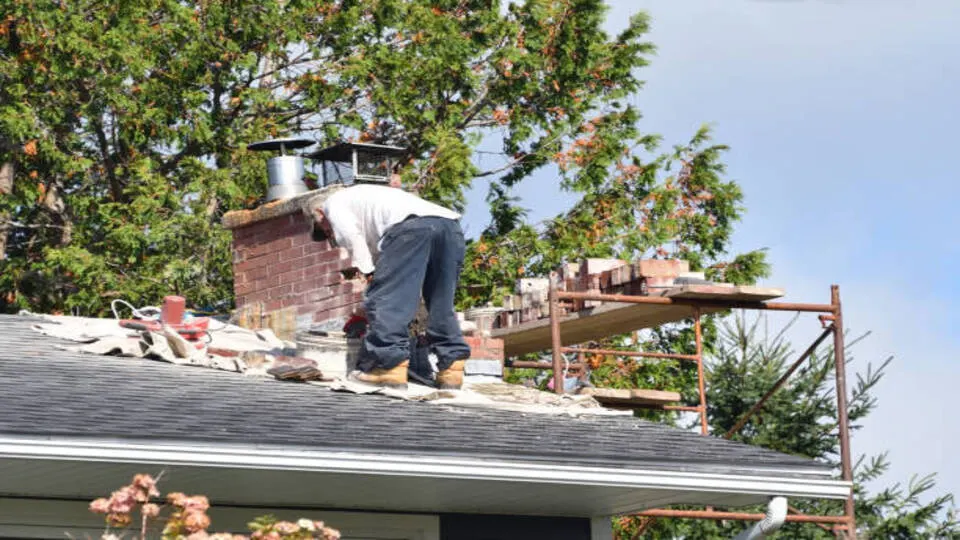
One of the most significant impacts of chimney demolition is its effect on the roof. As the chimney is typically an integral part of the roof structure, careful consideration must be given to how its removal will affect roofing materials and integrity.
1. Inspecting the Roof
Before beginning demolition, a thorough inspection of the roof should be conducted. This inspection will identify any existing issues, such as leaks or weakened areas, that could be exacerbated by the demolition process. Understanding the roof’s current condition allows for better planning in addressing any potential repairs.
2. Addressing Potential Damage
During the demolition process, the roof may be exposed to various risks, including falling debris and structural changes. It is vital to implement protective measures to minimize damage. This can involve using tarps or plywood to cover exposed areas and ensuring that debris is cleared away promptly to prevent damage to roofing materials.
3. Planning for Roof Repairs
After the chimney has been successfully demolished, it is crucial to address any necessary roof repairs. This may involve patching holes left by the chimney removal, replacing damaged shingles, and ensuring that the roof is watertight. A comprehensive roof repair plan should be developed and executed promptly to prevent water damage and maintain the home’s structural integrity.
The Importance of Professional Assistance
Given the complexities involved in chimney demolition and its effects on roofing, engaging professional contractors is highly advisable. Experienced demolition and roofing specialists can provide invaluable insights and services, ensuring that the process is executed safely and efficiently.
1. Experienced Guidance
Professionals bring expertise to the demolition process, helping homeowners navigate potential challenges and ensuring compliance with local regulations. Their knowledge can also assist in identifying any underlying issues that may need to be addressed during the chimney demolition and roof repair processes.
2. Quality Assurance
By hiring qualified contractors, homeowners can ensure that both the chimney demolition and subsequent roof repairs meet high-quality standards. This quality assurance not only enhances the overall safety of the structure but also contributes to the longevity and durability of the roof.
Conclusion
Planning for chimney demolition involves careful consideration of various factors that can significantly impact the roof and the overall safety of the home. By understanding the need for demolition, assessing structural integrity, and implementing proper safety measures, homeowners can facilitate a successful process. Additionally, addressing the effects on roofing through thorough inspections, timely repairs, and professional assistance is vital to maintaining the home’s integrity. With careful planning and execution, homeowners can achieve their renovation goals while ensuring the safety and longevity of their property.
About the Author