Low-Income Housing Grants in NY: What You Shouldn’t Miss finding safe and affordable housing is a cornerstone of stability and wellbeing. For many New Yorkers, especially those with limited financial resources, maintaining a decent home can be a daunting challenge. Fortunately, a variety of low-income housing repair grants NY programs exist to alleviate some of these burdens. These grants are designed to help homeowners and renters alike make critical repairs and improvements, ensuring their homes remain safe, comfortable, and affordable.
Navigating the world of housing grants can feel overwhelming. This comprehensive guide explores the most essential programs, eligibility criteria, and practical steps to secure the financial assistance you need. Whether you are a homeowner struggling with a leaking roof or a renter living in a property needing vital repairs, understanding low-income housing repair grants NY is your first step toward a better living environment.

Why Low-Income Housing Repair Grants Matter
Homes that are poorly maintained can negatively impact residents’ health, safety, and quality of life. Issues like mold, faulty wiring, inadequate heating, or structural damage don’t just threaten property value—they pose real risks. Unfortunately, low-income households often lack the resources to address these problems promptly.
This is where low-income housing repair grants NY programs shine. These initiatives target exactly the populations who most need assistance, offering grants or forgivable loans to fund repairs without burdening the recipients financially. The grants serve multiple critical functions:
- Preserving Affordable Housing: By supporting repairs, grants help prevent displacement and housing loss.
- Promoting Safety and Health: Grants address hazards that can cause injury or illness.
- Empowering Homeowners and Renters: By reducing financial stress, these programs foster community stability and wellbeing.
Major Low-Income Housing Repair Grants in NY
1. New York State Weatherization Assistance Program (WAP)
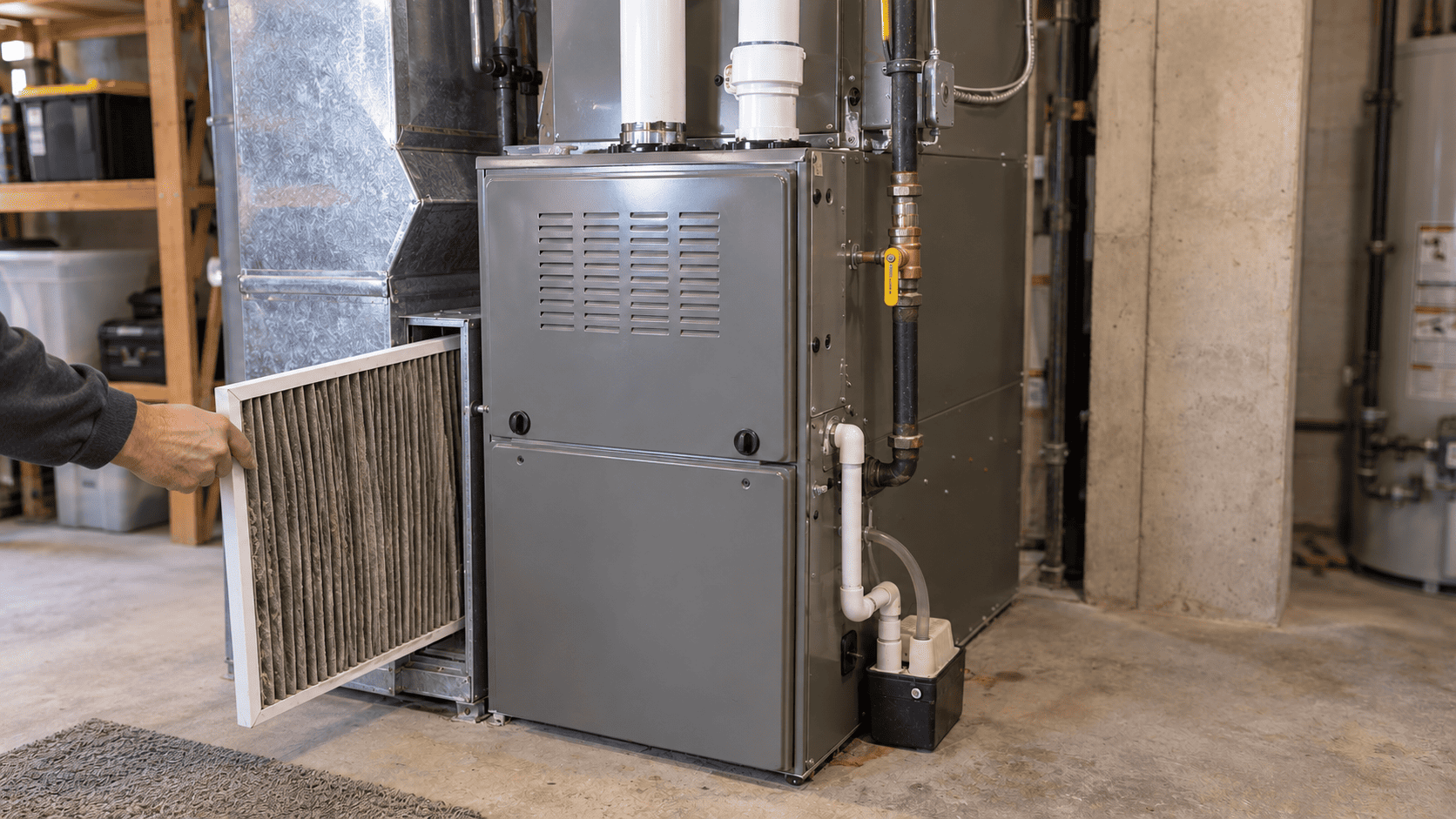
This program primarily focuses on energy efficiency improvements, which can dramatically reduce utility costs—a huge help for low-income families. Repairs include insulation, heating system upgrades, and sealing air leaks. Although WAP centers on energy conservation, many repairs have a dual benefit for safety and habitability.
2. New York State Community Development Block Grant (CDBG)
CDBG funds are allocated to local municipalities and community organizations to aid low- and moderate-income households. These grants cover a wide range of repairs, from roofing and plumbing to accessibility modifications. Application processes vary by locality, so contacting your local housing agency is essential.
3. Home Repair Program by the New York State Office of Homes and Community Renewal (HCR)
The HCR administers several initiatives that offer forgivable loans and grants for emergency home repairs. These include fixing heating systems, repairing septic systems, and mitigating lead-based paint hazards. Priority is often given to seniors and persons with disabilities.
4. Weatherization and Repair Services by Local Nonprofits
Numerous nonprofits across New York collaborate with state and federal programs to extend repair assistance to the community level. These organizations often provide comprehensive case management, helping applicants navigate paperwork and contractor selection.
Who Qualifies for These Grants?
Understanding eligibility is critical for a successful application. While specifics differ per program, typical qualifications include:
- Income Limits: Most grants require applicants to fall below a certain percentage of Area Median Income (AMI), often between 50% and 80%.
- Ownership and Residency: Many programs are designed for owner-occupants. However, some assist renters, especially when repairs impact safety and habitability.
- Geographic Eligibility: Grants may be limited to certain counties or cities within New York.
- Repair Priorities: Emphasis is placed on essential repairs that impact health and safety, such as heating, roofing, plumbing, and electrical systems.
Applying for Low-Income Housing Repair Grants NY: Step by Step
Step 1: Research Local Programs
Start by identifying what programs are available in your city or county. Many municipalities have dedicated housing departments or community development agencies that administer grant funds. Websites and local government offices are excellent starting points.
Step 2: Gather Necessary Documentation
Before you apply, make sure you have:
- Proof of income (tax returns, pay stubs, benefits statements)
- Proof of homeownership or tenancy
- Identification documents (driver’s license, state ID)
- Repair estimates or contractor assessments (if required)
- Social Security numbers of all household members
Step 3: Complete and Submit Applications
Applications must be filled out carefully. Incomplete or inaccurate forms can delay processing or cause denial. Some programs accept online applications, while others require paper submissions.
Step 4: Home Inspection and Review
Most grants require an inspection to verify repair needs and confirm eligibility.
Step 5: Approval and Repair Process
Upon approval, you may receive a grant award letter or contract outlining repair terms.
Repair Types Covered by Low-Income Housing Repair Grants NY
The scope of repairs can be broad but generally focuses on health and safety. Typical covered repairs include:
- Roof replacement and repair
- Heating and cooling system upgrades
- Plumbing fixes (leaks, pipes, septic systems)
- Electrical repairs and upgrades
- Mold remediation and lead paint hazard control
- Structural repairs (foundation, walls, stairs)
- Accessibility improvements (ramps, widened doorways)
- Weatherization and insulation improvements
Maximizing Your Chances of Grant Approval
Applying for grants can be competitive due to limited funding. Here are strategies to improve your chances:
- Apply Early: Grant funds are often awarded on a first-come, first-served basis.
- Follow Instructions Precisely: Double-check all paperwork before submission.
- Maintain Good Communication: Respond promptly to requests for additional info or inspections.
- Provide Detailed Repair Estimates: Accurate documentation of repair needs shows seriousness and readiness.
- Seek Assistance: Many nonprofits and local agencies offer application help, which can streamline the process.
Common Challenges and How to Overcome Them
Limited Funding Pools
Because these programs depend on public or philanthropic funding, money can run out quickly. Applying as soon as funds become available is crucial.
Complex Application Procedures
Grants can require extensive paperwork and documentation. Leveraging local community organizations for guidance can make a huge difference.
Matching Repair Priorities
Grant programs prioritize repairs that affect health and safety. Repairs like cosmetic upgrades or landscaping are rarely covered. Align your repair requests accordingly.
Beyond Repairs: Additional Support Services
Many housing grant programs link recipients with other vital services:
- Financial Counseling: Helping with budgeting and credit repair to promote long-term housing stability.
- Homebuyer Education: Preparing low-income households for eventual homeownership or refinancing.
- Legal Aid: Assistance for tenants facing unsafe conditions or eviction risks.
The Bigger Picture: Why These Grants Matter for New York
New York’s diverse housing stock ranges from historic brownstones to suburban homes, often requiring substantial upkeep. By investing in low-income housing repair grants NY, the state not only preserves housing affordability but also uplifts communities by:
- Reducing health disparities caused by substandard housing
- Enhancing neighborhood stability and property values
- Lowering energy consumption and utility bills through weatherization
- Supporting vulnerable populations including seniors, disabled, and families with children
Final Thoughts
In the maze of housing challenges faced by many New Yorkers, low-income housing repair grants NY offer a beacon of hope. These programs unlock the possibility of safe, decent, and affordable housing for those who might otherwise face unsafe living conditions or displacement. With the right information, preparation, and persistence, qualifying for these grants can transform your living situation and bring peace of mind.
Don’t miss your chance to tap into these invaluable resources. Whether you’re a homeowner in need of essential repairs or a renter seeking a safer space, the assistance you deserve is within reach. Take the first step today by exploring available programs, gathering your documents, and starting your application.
Your home is more than just a roof over your head—it’s the foundation of your future.
About the Author