Managing the stability and dryness of a property is a long-term process that often unfolds in stages. For homeowners in this region, the interplay between soil composition, varying moisture levels, and the natural movement of the earth means that property maintenance is rarely a one-time event. Instead, it is an ongoing effort to preserve the integrity of the structure.
Understanding the Early Stages of Property Maintenance
Many property owners begin to notice signs of moisture or shifting when they observe subtle changes in their home environment. This might manifest as dampness in lower levels, visible hairline cracks in walls, or doors that do not close as smoothly as they once did. These early indicators often suggest that the ground surrounding the structure is interacting with the building in ways that warrant attention.
Addressing these matters early can be helpful because small shifts in soil or slight increases in moisture content often accumulate over time. When residents observe these signs, the first step is typically a thorough assessment of how water is managed around the foundation and whether the soil is supporting the structure as intended. By focusing on surface drainage and identifying areas where water tends to collect, homeowners can often mitigate the intensity of future challenges.
How Structural Conditions Evolve Over Time
As a building settles or as the surrounding earth experiences cycles of freezing and thawing, the pressure exerted on the foundation can change. This is a common phenomenon in many northern climates where ground conditions are dynamic. Over time, these pressures can lead to more pronounced shifts or the emergence of pathways for water to enter below-grade spaces.
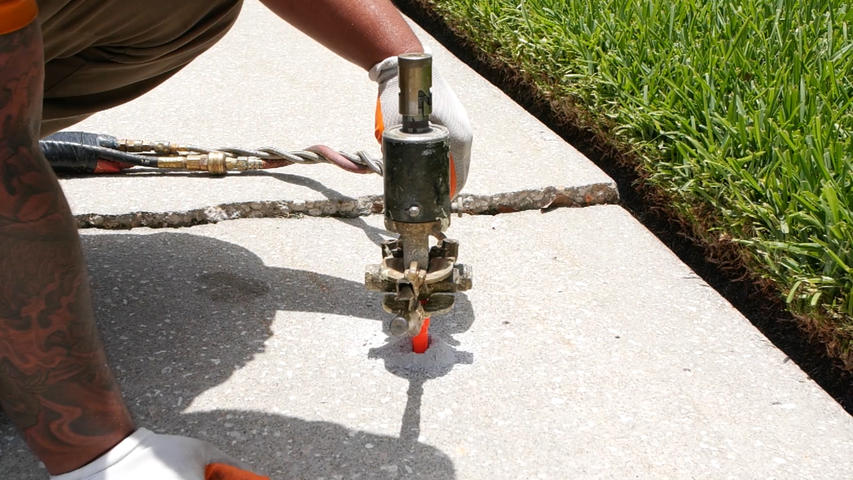
When a structure is subject to these forces, the methods for intervention may need to evolve. For instance, foundation waterproofing in North Dakota involves techniques designed to direct water away from the base of the home, effectively creating a barrier that protects the integrity of the concrete. This work typically focuses on ensuring that moisture does not compromise the materials or the living environment. Concurrently, if the structural support of the soil has weakened, concrete lifting in North Dakota may be considered to restore a level and stable base for slabs and walkways that have moved due to ground settling.
Recognizing When to Adjust Your Maintenance Strategy
It is helpful for homeowners to remain observant of their property throughout the changing seasons. The transition into wetter or colder months often reveals how well a structure handles environmental stresses. A significant sign that it may be time to seek professional input is when temporary fixes—such as patching a crack or redirecting a downspout—no longer yield the results they once did.
If you find that moisture is consistently reappearing or that a concrete section continues to tilt despite efforts to manage surface runoff, it may indicate a deeper structural or drainage concern. The goal in these scenarios is to gain clarity on the mechanism at play. Ask a professional what they observe regarding the soil density, how the foundation is currently bearing weight, and what range of solutions might be appropriate for the specific conditions of your site. Moving from reactive patching to a more comprehensive management strategy is often the key to sustaining a stable and dry home environment.
Sustaining Results Through Proactive Care
Long-term protection is typically achieved through a combination of regular monitoring and targeted improvements. While some conditions require specialized equipment to address, much of the foundation’s longevity depends on consistent exterior maintenance. This includes keeping gutters clear, ensuring that the ground slopes away from the foundation wall, and checking that exterior seals remain intact.
For those considering foundation waterproofing in North Dakota, the primary consideration is the long-term effectiveness of the drainage system. Understanding how a chosen solution handles the unique water table characteristics of the area can provide peace of mind. Similarly, when exploring concrete lifting in North Dakota, homeowners often benefit from learning about the different materials and techniques used to stabilize the ground beneath a slab. Choosing an approach that addresses the root cause of the settling—rather than just the symptom of a tilted porch or walkway—tends to provide more durable results.
The process of maintaining a home in this region is less about achieving a permanent solution and more about managing a living, changing environment. By staying informed about the typical behaviors of local soil and moisture, and by working with knowledgeable professionals when more significant intervention is needed, property owners can effectively manage these risks. A well-maintained foundation serves as the cornerstone of a secure home, and taking a thoughtful, phased approach to its care helps ensure that the structure remains resilient for the long term. Regardless of the current condition of the property, proactive observation and timely consultation remain the most reliable ways to maintain stability and comfort.
About the Author