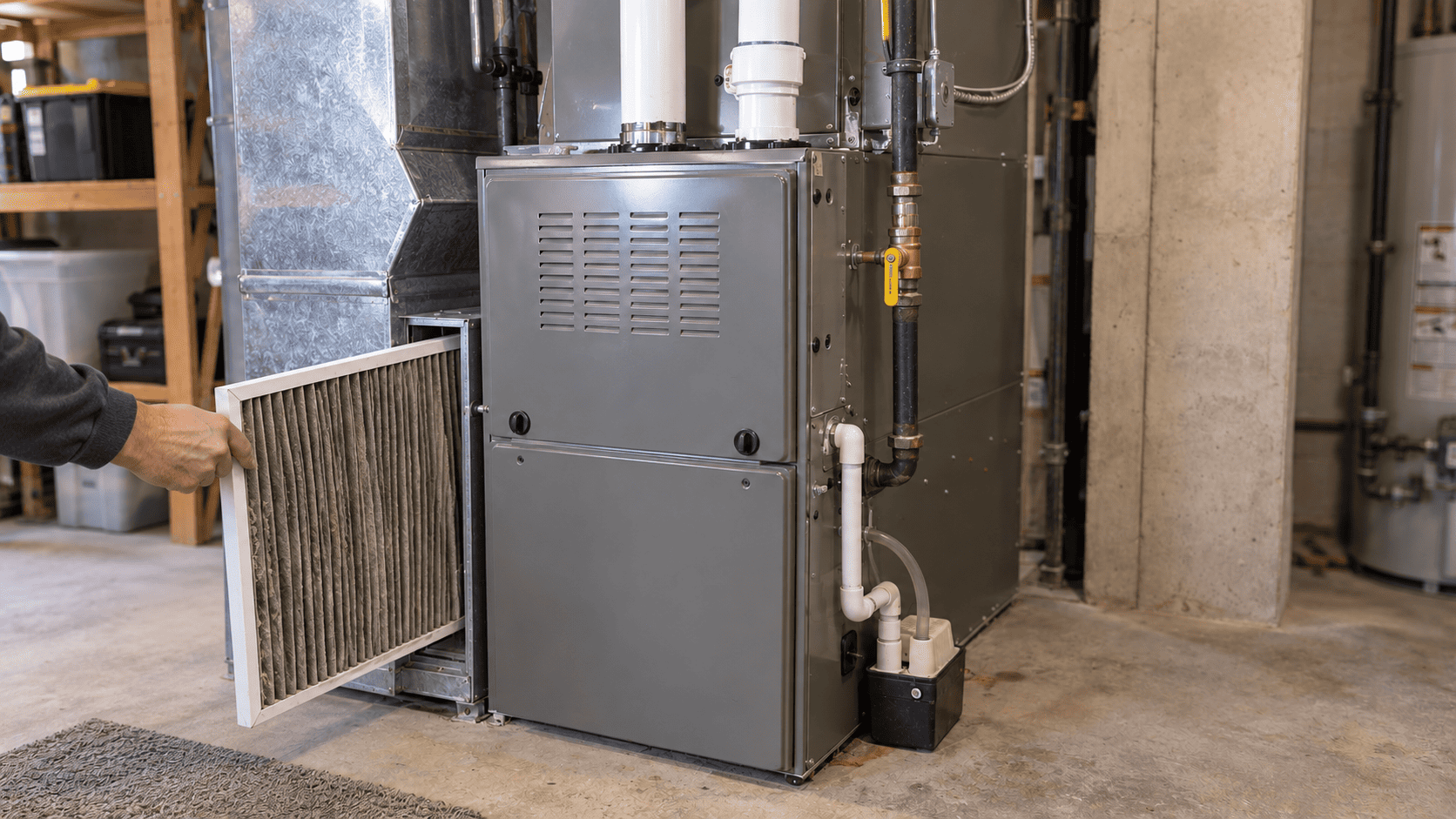
How to Get Binghamton Housing Repair Grants in 2025 securing Binghamton housing repair grants can make a world of difference when you’re trying to maintain a safe, livable home. Whether it’s a leaky roof, faulty wiring, or an outdated heating system, these grants provide crucial support for low- to moderate-income homeowners. This guide walks you through available programs, eligibility requirements, and how to apply without the confusion.

Understanding the Grant Landscape
In Binghamton, several city-run and community-based programs are designed to help homeowners repair and improve their properties:
- City of Binghamton Home Repair Programs
These programs assist owner-occupied households with vital repairs, prioritizing safety and health hazards. - Municipal Rehabilitation Initiatives
Offered through the city’s housing department, these help renovate properties located within the city’s defined improvement zones. - County-Wide Housing Programs
Targeted at residents in the broader Broome County area, these initiatives focus on essential home systems such as plumbing, roofing, and electrical. - First Ward Action Council Assistance
A community-focused organization providing support for minor and emergency repairs—especially for seniors and those with disabilities. - Greater Opportunities Housing Support
Concentrated on health and safety-related renovations for eligible homeowners. - USDA Rural Housing Assistance
Though not exclusive to Binghamton, this option is available to residents in rural-designated parts of Broome County.
Who Qualifies?
Each program has its own set of criteria, but there are common eligibility themes:
- You must own and live in the home needing repair.
- Your home must be located in the program’s targeted geographic area.
- Income limits apply, with thresholds based on household size.
- Priority is often given to elderly residents, individuals with disabilities, and low-income families.
Steps to Access a Grant
1. Identify the Right Program
- Determine if your home is within the city limits or in a rural area.
- Match your income level and household needs to the eligibility criteria.
- Know what kind of repairs you need—basic structural, heating, safety, or accessibility improvements.
2. Prepare Your Documents
While document requirements can vary slightly, most applications require:
- Proof of homeownership
- Verification of residence
- Income documentation (pay stubs, tax returns, or benefit statements)
- Government-issued ID
- Repair estimates from licensed contractors (if needed)
3. Apply for Assistance
- Obtain the application form from the program office or partner organizations.
- Fill out the form thoroughly.
- Include all necessary documents and signatures.
- Submit before the stated deadline.
4. Wait for Review and Inspection
- After submission, your application will be reviewed for eligibility.
- A home inspection may be scheduled to verify the repairs needed.
- The program office will evaluate and prioritize repairs based on safety and urgency.
5. Get Approved and Begin Repairs
- If approved, you’ll receive a grant agreement or notification.
- The next steps may include selecting from a list of approved contractors or coordinating directly with the program’s construction team.
- Once repairs are completed, a final inspection ensures everything meets standards before closing out the project.
What Types of Repairs Are Covered?
Most Binghamton housing repair grants focus on critical repairs that affect livability and safety. These may include:
- Roof replacement
- Heating system upgrades
- Plumbing and sewer line repairs
- Electrical rewiring
- Accessibility improvements like wheelchair ramps and grab bars
- Structural stabilization
- Lead paint and asbestos removal
Available Programs (Overview)
City of Binghamton Programs
Run by the city’s housing and community development departments, these grants are designed to preserve affordable housing and prevent property abandonment.
Broome County Housing Initiatives
These may include both grants and deferred payment loans for necessary home improvements. The county programs are particularly helpful for those living outside Binghamton city limits.
Community Nonprofit Programs
Organizations like First Ward Action Council and Greater Opportunities bring an added layer of assistance for vulnerable homeowners. Their staff often help with paperwork, inspections, and coordinating contractors.
USDA Support for Rural Residents
In parts of Broome County classified as rural, homeowners can receive help through federal programs focused on health and safety home repairs.
Insider Tips for a Successful Application
- Apply as early in the year as possible—many programs run on limited funding cycles.
- Keep your paperwork organized. Missing documents can delay or disqualify your request.
- Get estimates from licensed contractors before submitting your application, if required.
- Communicate clearly with program coordinators. Follow up regularly on the status of your application.
Common Mistakes to Avoid
- Ignoring application deadlines
- Submitting incomplete or unsigned forms
- Using unapproved contractors
- Starting repairs before official approval
- Misreporting income or residency status
Final Thoughts
Accessing Binghamton housing repair grants is more than just paperwork—it’s an opportunity to restore and protect your home without the financial burden. From city-administered support to nonprofit programs and federal rural assistance, there’s a path for nearly every homeowner in need. With a bit of preparation and persistence, you can navigate the grant process and enjoy the peace of mind that comes with a safer, healthier home.
About the Author