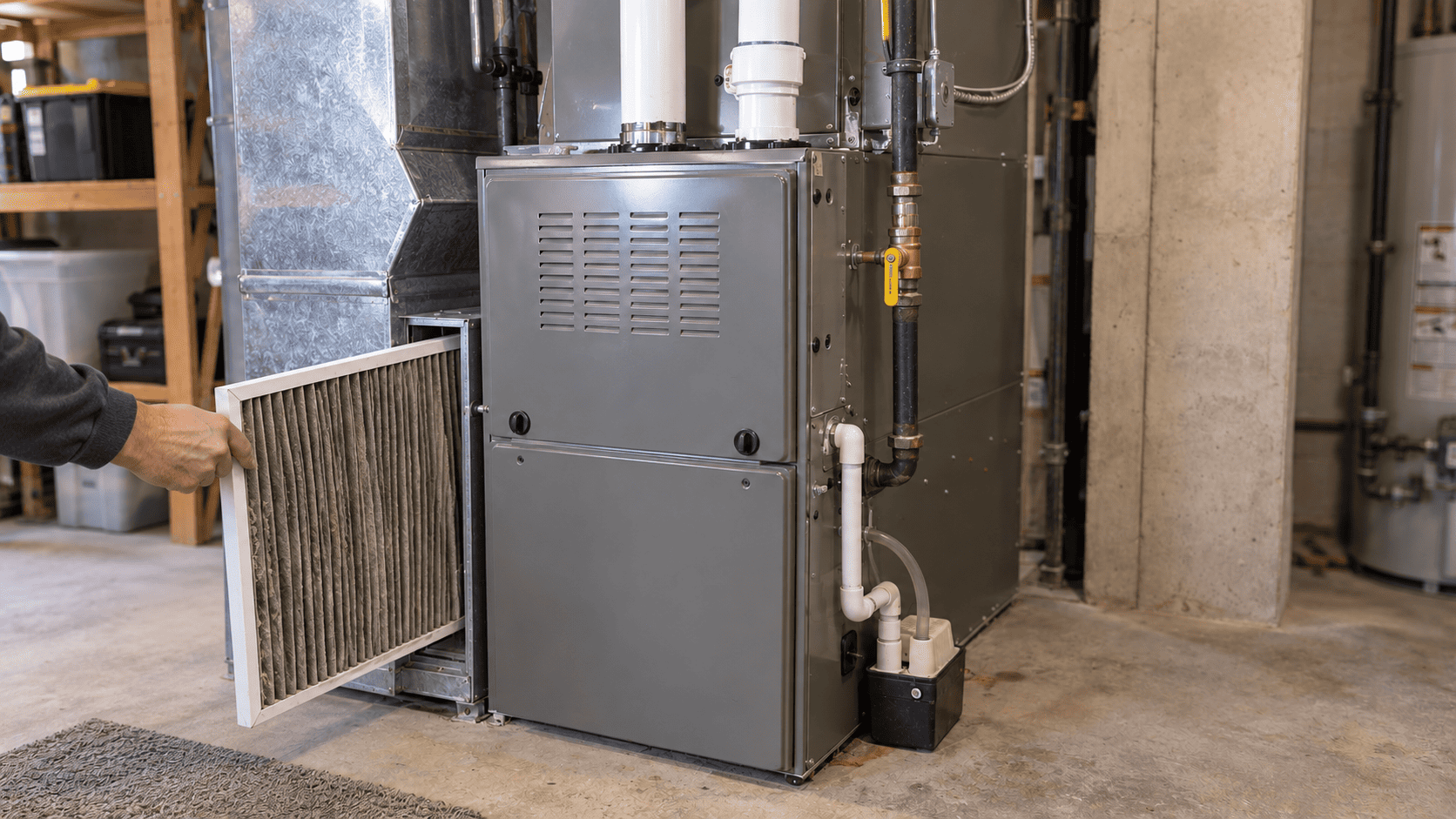
The Florida coast has recently been battered by two back-to-back hurricanes, Helene and Milton, leaving a trail of destruction and emphasizing the critical importance of resilient heating, ventilation, and air conditioning (HVAC) systems. As residents begin the arduous process of recovery, the demand for reliable HVAC solutions has surged dramatically.
Increased Demand for HVAC Supplies Amidst Recovery Efforts
In the aftermath of Hurricanes Helene and Milton, homeowners and businesses are urgently seeking HVAC supplies near me to repair and replace damaged systems. Local suppliers report unprecedented demand as people strive to restore comfort and normalcy to their lives. The immediate need for components like air filters, compressors, and ductwork has put pressure on supply chains, prompting companies to expedite shipments and restock inventories rapidly.
Community centers and emergency shelters have also highlighted the necessity for functional HVAC systems to provide safe havens for displaced residents. The heightened focus on indoor air quality and climate control is driving interest in the latest HVAC technologies designed to withstand severe weather conditions.
Spotlight on the Best HVAC Systems for Resilience and Efficiency
As rebuilding efforts commence, many Floridians are investing in the best HVAC systems that offer enhanced durability and energy efficiency. Manufacturers are introducing advanced models equipped with features such as corrosion-resistant materials, flood-proof installations, and smart technology integration.
Energy experts advise that selecting high-quality HVAC systems not only ensures better performance during extreme weather events but also contributes to long-term cost savings. Systems with high Seasonal Energy Efficiency Ratios (SEER) and Heating Seasonal Performance Factors (HSPF) are becoming increasingly popular among consumers aiming to reduce their environmental footprint while enhancing home comfort.
The Dual Impact of Hurricanes on Infrastructure and Supply Chains
Destruction of Existing HVAC Systems
The powerful winds and flooding brought by Hurricanes Helene and Milton have devastated countless HVAC units along the Florida coast. Outdoor condensers have been uprooted or submerged, electrical components damaged, and indoor air quality compromised due to mold and debris infiltration.
Homeowners like Maria Lopez from Clearwater share similar stories: “Our entire HVAC system was destroyed by flooding. We’re now urgently looking for reliable HVAC supplies near us to get our home back to a livable condition.”
Strain on Supply Chains and Availability
The sudden spike in demand for HVAC supplies is straining local distributors and retailers. Supply chain disruptions caused by damaged roads and infrastructure have delayed deliveries, making it challenging for residents to obtain the necessary equipment promptly.
Companies are responding by leveraging online platforms and expanding their distribution networks. Websites like hvac.best are playing a crucial role in connecting consumers with available supplies and providing guidance on selecting appropriate systems for their needs.
Government and Industry Response to the Crisis
Emergency Measures and Funding
State and federal authorities have mobilized resources to support affected communities. Emergency funding is being allocated to assist homeowners with repairs and replacements of essential systems, including HVAC units. Grants and low-interest loans are available to those who qualify, easing the financial burden of rebuilding.
Governor James Patterson stated, “We are committed to helping Floridians rebuild stronger and more resilient homes. Upgrading to the best HVAC systems is a critical part of this process, ensuring safety and comfort in the face of future storms.”
Revised Building Codes and Regulations
In response to the increased frequency and intensity of hurricanes, Florida’s building codes are being updated to require more stringent standards for HVAC installations. New regulations mandate elevated platforms for outdoor units, secure anchoring, and the use of materials resistant to corrosion and water damage.
HVAC contractors are receiving updated training to comply with these regulations, ensuring that new installations offer greater resilience against extreme weather conditions.
Technological Advancements Driving Resilient HVAC Solutions
The challenges posed by Hurricanes Helene and Milton have accelerated the adoption of innovative HVAC technologies designed for durability and efficiency.
Smart HVAC Systems
Smart HVAC systems equipped with remote monitoring capabilities allow homeowners to control and diagnose their units via smartphone apps. These systems can alert users to potential issues before they escalate, enabling timely maintenance and reducing the risk of catastrophic failure during storms.
Flood-Resistant Designs
Manufacturers are developing HVAC units with sealed components and elevated designs to prevent water ingress. Materials that resist rust and corrosion extend the lifespan of the equipment, even in humid and saline coastal environments.
Energy Efficiency and Sustainability
High-efficiency HVAC systems reduce energy consumption, lower utility bills, and minimize environmental impact. In the wake of the hurricanes, there is a heightened awareness of the importance of sustainability, with many consumers opting for systems that utilize eco-friendly refrigerants and renewable energy sources.
Community Initiatives and Support Networks
Local Businesses Stepping Up
HVAC companies across Florida are collaborating to provide expedited services to affected areas. Technicians are working extended hours, and some firms are offering discounted rates or deferred payment plans to assist those in need.
John Thompson, owner of Thompson HVAC Services, commented, “Our community is hurting, and we’re doing everything we can to help. Providing access to essential HVAC supplies near me is our top priority.”
Volunteer Efforts and Non-Profit Organizations
Non-profit organizations are coordinating volunteers to assist with cleanup and basic repairs. These groups are distributing portable air conditioning units and dehumidifiers to mitigate mold growth and improve living conditions while permanent solutions are implemented.
Expert Advice for Homeowners Rebuilding After the Hurricanes
Conduct Professional Assessments
Before repairing or replacing HVAC systems, homeowners should engage certified professionals to assess the extent of the damage. Attempting DIY repairs can be dangerous and may void warranties or insurance claims.
Consider System Upgrades
Given the potential for future storms, investing in advanced HVAC systems is a prudent decision. Features to prioritize include:
- Elevated Installation: Positioning units above potential flood levels.
- Protective Housing: Utilizing enclosures that shield equipment from debris and high winds.
- Surge Protection: Incorporating electrical safeguards against power fluctuations.
Regular Maintenance and Inspection
Establishing a routine maintenance schedule ensures that HVAC systems remain in optimal condition. Regular inspections can identify vulnerabilities and facilitate timely repairs, enhancing system resilience.
Insurance Implications and Financial Assistance
Insurance companies are adjusting their policies in response to the increased risks associated with climate change. Homeowners are encouraged to review their coverage to understand the provisions related to HVAC systems and natural disasters.
Financial assistance is available through various programs:
- FEMA Aid: Grants for essential repairs not covered by insurance.
- State Programs: Florida’s Department of Economic Opportunity offers assistance to low-income households.
- Utility Company Rebates: Incentives for installing energy-efficient HVAC systems.
Looking Ahead: Building a More Resilient Future
The experiences of Hurricanes Helene and Milton underscore the necessity of preparedness and proactive measures. Stakeholders across sectors are collaborating to strengthen Florida’s infrastructure and community resilience.
Embracing Sustainable Practices
Adoption of sustainable technologies and practices is crucial in mitigating the impacts of climate change. Energy-efficient HVAC systems play a significant role in reducing greenhouse gas emissions and conserving resources.
Education and Awareness
Raising public awareness about the importance of resilient HVAC systems and proper maintenance can empower individuals to make informed decisions. Educational campaigns and resources are being developed to disseminate this information widely.
Policy and Advocacy
Advocacy for policies that address climate change and invest in infrastructure improvements is gaining momentum. Policymakers are urged to prioritize funding for research, innovation, and community support initiatives.
HVAC Companies Getting the Word Out
In the aftermath of Hurricanes Helene and Milton, effective marketing strategies have become crucial for HVAC companies striving to reach and assist affected communities promptly. Leveraging contemporary marketing trends enables these businesses to communicate their services, relief efforts, and availability to those in need more efficiently. By adopting innovative digital outreach methods, HVAC professionals can enhance their visibility and connect with homeowners seeking immediate solutions.
Utilizing resources like Trending Marketing allows HVAC companies to stay updated on the latest marketing strategies that resonate with today’s audiences. Implementing these insights helps in crafting targeted campaigns that inform and engage residents about essential services, special offers, and community support initiatives. In times of crisis, effective marketing not only drives business success but also plays a vital role in community recovery by ensuring that critical information and services reach those who need them most.
Conclusion
The dual onslaught of Hurricanes Helene and Milton has tested the resilience of Florida’s coastal communities. As the state rebuilds, there is a collective opportunity to implement stronger, more efficient HVAC systems that can withstand future challenges. Access to reliable HVAC supplies near you and investing in the best HVAC systems are critical steps toward recovery and long-term sustainability.
About the Author