Keeping your home warm is a big deal, but we usually don’t think about the heater until it stops working. Even the best systems get old and tired. They lose their strength and start costing you more money. Knowing when to get a new one can save you from a cold house and a lot of stress.
Here are ten easy ways to tell if you need a change.
- It’s Getting Old
Most heating systems last around 15 to 20 years, depending on the type and how well they’re maintained. Heat pumps may last closer to 10–15 years, while some boilers can last longer with proper care. If your heater has been around for over 15 years, it is time to look into heating installation services. Starting your search early helps you find the right fit without rushing.
- High Energy Bills
Take a look at your monthly bills. If they keep going up but you aren’t using the heat any more than usual, your system is likely failing. It has to work much harder to do the same job. This wastes a lot of electricity or gas. A new unit might seem like a big cost now, but it will save you a lot of money on your monthly bills later.
- Some Rooms Are Cold
Does your bedroom feel like an ice box while the living room is too hot? If the heat isn’t spreading evenly, your system is struggling. It might be a problem with the pipes or just a weak motor. When you look for HVAC replacement near me, a pro can help you figure out if your current system is just too small for your house.
- You’re Always Fixing It
Fixing a heater once in a while is normal. Fixing it every few months is a bad sign. If you feel like you have the repairman on speed dial, you are just throwing money away. It is usually smarter to put that money toward a brand-new unit that won’t break down when you need it most.
- It Makes Scary Noises
A good heater should be quiet. If you hear banging, popping, or squealing, something is wrong inside. It could be a loose part or a motor that is about to quit. These sounds may signal worn or failing components. In some cases, especially with gas furnaces, unusual noises should be inspected promptly to rule out potential safety concerns.
- The Air Feels Dirty
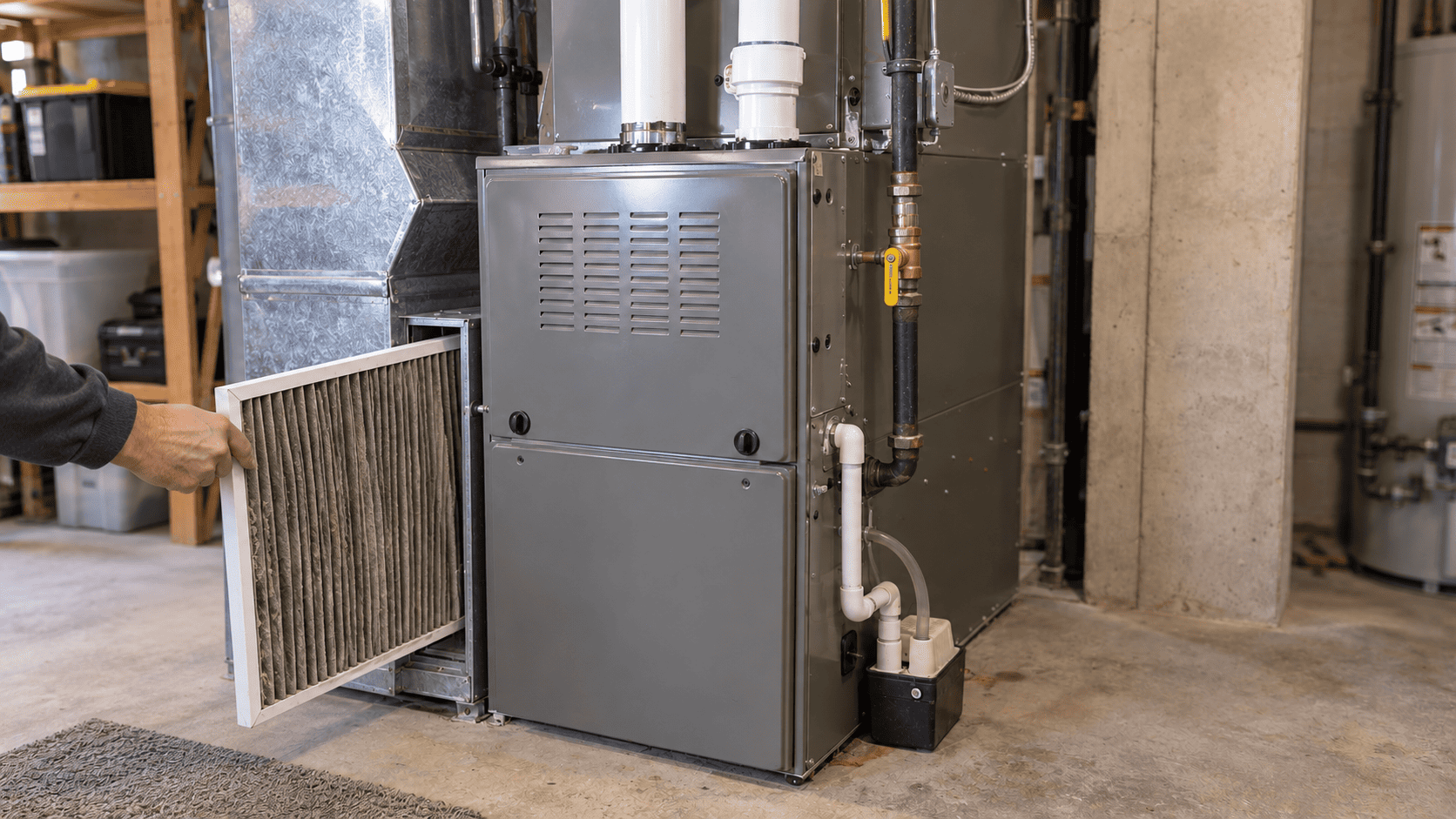
If you notice more dust than usual or see soot near the vents, your heater might be the cause. If your system isn’t properly maintained or has clogged filters, it can circulate dust and allergens through your home. Replacing filters regularly and upgrading to a modern system with improved filtration can help improve indoor air quality.
- The Thermostat Doesn’t Listen
Do you turn up the heat but nothing happens? Or maybe the house gets way too hot when you only bumped it up a degree. When the heater and the thermostat stop talking to each other, it’s a sign of a failing system. You can check with HVAC companies near me to see if the whole unit needs to go.
- It’s Behind the Times
New heaters have great features that didn’t exist 20 years ago. They have smart controls and fans that change speed to save energy. If your system is old, you are missing out on these upgrades. Modern units are much easier to control and keep your home at the perfect temperature all day long.
- You See Rust or Cracks
Take a look at your heater. If you notice rust, cracks, or unexplained moisture around the unit, it’s important to have it inspected. Some systems produce condensation, but standing water may indicate a drainage or component issue.
- You Added More Space
Did you finish your basement or add a new room? Your old heater was picked for your house’s original size. It might not be strong enough to heat the extra space. This puts a lot of stress on the system and makes it wear out faster. Heating installation services can help you pick a unit that fits your bigger home perfectly.
Final Thoughts
Watching for these signs helps you stay ahead of the game. You don’t want to be stuck without heat during the coldest week of the year. A new system keeps you comfortable, saves you money, and cleans your air.
Whether you need a standard furnace or a modern heat pump, getting expert help is the way to go. Check out your options now so you can relax when the temperature drops.
About the Author